



Drayage
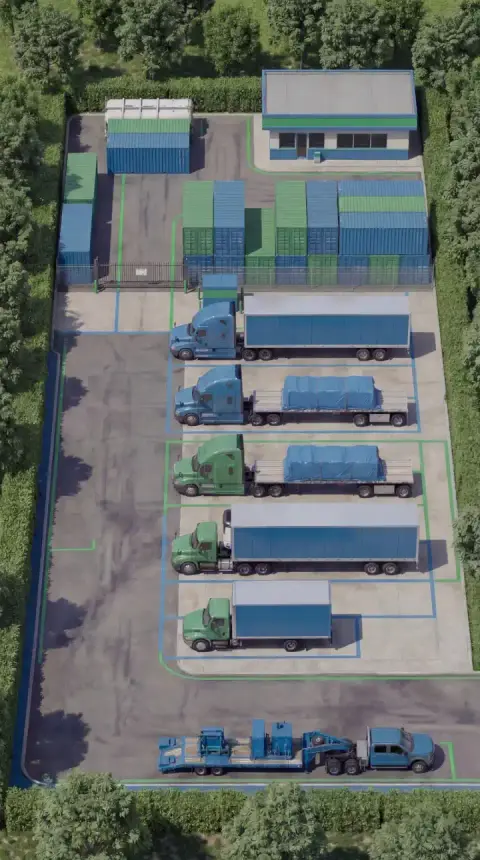
Drayage is the short-distance transport of shipping containers between ports, rail terminals, and nearby warehouses or distribution centers.
What Is Drayage?
Drayage is the transportation of shipping containers (typically intermodal containers) over short distances, usually from a port or rail yard to a nearby warehouse, distribution center, or transload facility. Drayage moves are typically under 100 miles and are a critical link in the supply chain — containers arriving by ship or rail need trucks to complete the last leg of their journey.
Drayage is priced differently from long-haul trucking. Instead of per-mile rates, drayage is often quoted as flat rates per container move — typically $200-$600 for a single move depending on distance, container size (20-foot or 40-foot), port congestion, and chassis availability. Drayage drivers can often complete 3-5 moves per day, making it a high-volume, short-distance operation.
Port drayage can be challenging due to congestion, long wait times, and complex scheduling. Major ports like Los Angeles/Long Beach, Newark, Savannah, and Houston often have multi-hour wait times for container pickup. Chassis availability (the wheeled frame that carries containers) can also be an issue. Despite these challenges, drayage is a steady niche with consistent demand because international trade requires constant container movement.
Why It Matters
Drayage offers consistent, local work with the ability to be home daily. While individual moves pay less than long-haul loads, the volume (3-5 moves per day) can generate strong daily revenue. It is an attractive option for carriers who prefer local operations over over-the-road trucking.
Real-World Example
Wilson runs drayage out of the Port of Savannah. He picks up a 40-foot container at the port at 7:00 AM and delivers it to a warehouse 35 miles away for $350. He returns to the port and picks up a second container at 10:00 AM, delivering it 28 miles to a distribution center for $300. By the end of the day, he completes 4 moves totaling $1,350 in gross revenue, drives about 250 total miles, and is home by 5:00 PM. His weekly drayage gross: $6,750.
Frequently Asked Questions
Do I need special equipment for drayage?+
Is drayage profitable?+
What are the biggest challenges in drayage?+
Have Questions About Drayage?
Our dispatchers explain everything in plain English. Book a free 15-minute call — no pressure, no contracts.
Book a Free Call