
Flatbed Dispatch Services
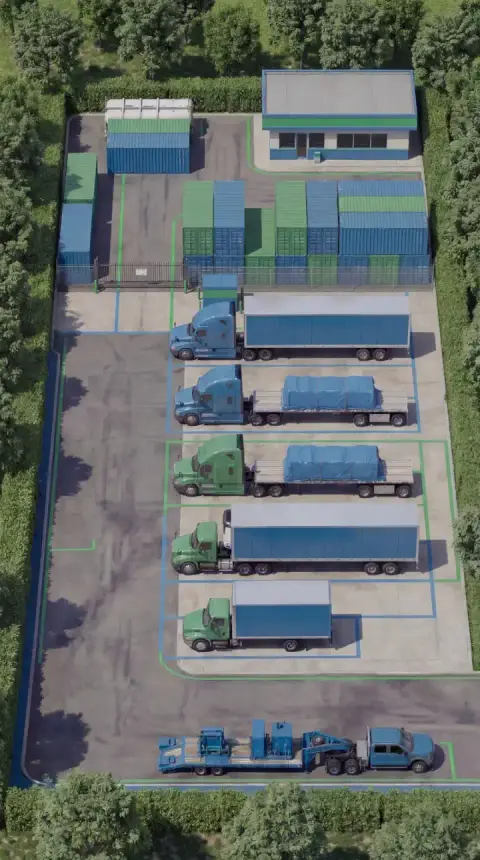
Specialized flatbed dispatch for heavy equipment, construction materials, and oversized freight. We find high-paying loads that reward your specialized skills and equipment.
Common Flatbed Freight
Typical loads we find for flatbed carriers
Steel and aluminum products (coils, sheets, beams)
Construction equipment and machinery
Building materials (lumber, roofing, windows)
HVAC units and industrial equipment
Pipe and tubing
Heavy manufacturing equipment
Concrete products and rebar
Agricultural equipment
Military equipment and vehicles
Best Lanes for Flatbed
High-paying lanes where we consistently find profitable freight
Steel Belt
Pittsburgh, Cleveland, Gary, Detroit. Steel and manufacturing hub with consistent heavy freight. Rates: $3.00-3.80/mile.
Texas Industrial
Houston, Dallas, San Antonio. Oil/gas equipment, construction materials, heavy machinery. Rates: $3.20-4.00/mile.
Southeast Construction
Atlanta, Charlotte, Florida. Booming construction markets with high demand for building materials. Rates: $2.90-3.60/mile.
West Coast Ports
Los Angeles, Oakland, Seattle. Import equipment and materials from ports to inland markets. Rates: $3.40-4.20/mile.
Flatbed Challenges We Solve
Common obstacles for flatbed operators — and how we help you overcome them
⚠️Weather Sensitivity
The Problem: Tarping and securement in rain, snow, and ice is dangerous and time-consuming. Winter months can be brutal.
Our Solution: We prioritize no-tarp loads when weather is bad and negotiate detention time for weather delays. We also secure indoor loading facilities when available and build extra time into routes for safe securement.
⚠️Physical Demands
The Problem: Flatbed requires significant physical labor: tarping, chaining, strapping, climbing. It's more demanding than van or reefer.
Our Solution: We target loads with loading/unloading assistance and negotiate higher rates that justify the physical effort. We also help you build a mix of easy loads (pre-tarped, no-tarp) with high-paying challenging loads.
⚠️Load Securement Liability
The Problem: Improper securement can result in cargo damage, accidents, and significant liability. DOT is strict on flatbed securement.
Our Solution: We provide ongoing securement training resources and only work with experienced flatbed operators. We also help you access proper equipment and photograph securement for liability protection.
⚠️Seasonal Slowdowns
The Problem: Construction slows in winter months, especially in northern states, reducing flatbed demand.
Our Solution: We diversify with year-round freight (steel, machinery) and position you in warm-weather markets (Texas, Southeast, Southwest) during winter. We also leverage holiday manufacturing demand and infrastructure projects.
Why Choose FF Dispatch for Flatbed
Real benefits that impact your bottom line
25-35% Premium Over Dry Van
Flatbed pays significantly more due to specialized skills and equipment. Our carriers average $3.25/mile vs $2.85/mile for dry van.
Specialized Skill Recognition
Brokers and shippers value experienced flatbed operators and pay premium rates for professional, safe securement.
Less Competition
Only 8-12% of trucks are flatbed-equipped. Physical demands and securement skills create barriers that reduce competition and support higher rates.
Diverse Freight Options
Flatbed handles everything from lumber to heavy equipment to oversized loads. This diversity provides more opportunities and reduces market dependency.
24/7 AI Support
Ask Mona anything, anytime — rate info, FMCSA lookups, load status, scheduling. No waiting until Monday. Meet Mona →
Running Flatbed? Bridgeway Could Save You Thousands
Lease on to Bridgeway Connects — one of the largest specialty freight carriers in the U.S. — and save $5,000–$12,000/year on insurance, plus fuel discounts of $0.70–$0.90/gal. FF Dispatch handles your dispatching.
- ✓Cargo & auto liability covered
- ✓Nationwide fuel card programs
- ✓Parts & tire discounts
- ✓Safety bonuses for clean inspections
Equipment Requirements
What you need to run flatbed freight successfully
48-foot or 53-foot flatbed trailer
Complete set of chains, binders, and straps
Tarps (multiple sizes for different load types)
Edge protectors and corner protectors
Rub rails and stake pockets
Coil racks for steel coil loads (optional but valuable)
Securement knowledge and experience
Flatbed Economics
Key cost factors for running a flatbed operation
Freight Compatibility
What to haul and what to avoid with your flatbed
Ideal Freight
- ✓construction
- ✓lumber
- ✓energy
- ✓manufacturing
- ✓automotive
Avoid
- ✗pharmaceuticals
- ✗produce
Seasonal Spikes
Dispatch Strategy
Flatbed pays more per mile but has hidden costs (tarps, chains, physical labor, load/unload time). We optimize by booking loads that pay tarping fees on top of line-haul rates and avoiding the cheap loads that don't compensate for securement time. The sweet spot is $3.25-3.60/mile with separate tarp pay — we aim for that on 80% of your loads.
Flatbed Dispatch FAQ
Common questions about flatbed dispatch services
How much more can I earn with flatbed vs dry van?+
What if I'm new to flatbed - do you work with less experienced operators?+
How do you handle tarping in bad weather?+
Do I need special permits for flatbed loads?+
What's the best flatbed equipment setup?+
Is flatbed work available year-round?+
How do you negotiate rates for tarping?+
What if I damage cargo during transport?+
Ready to Maximize Your Flatbed Revenue?
Join hundreds of flatbed carriers earning more with FF Dispatch
Top States for Flatbed Dispatch
We dispatch flatbed carriers in all 50 states. Here are the busiest markets.
Our Services for Flatbed
Comprehensive dispatch solutions designed for flatbed operators

Load Matching & Negotiation
Better Loads. Better Rates.

Route Planning & Optimization
Less Deadhead. Less Fuel. More Money.

Rate Negotiation Services
We Argue With Brokers So You Don't Have To


