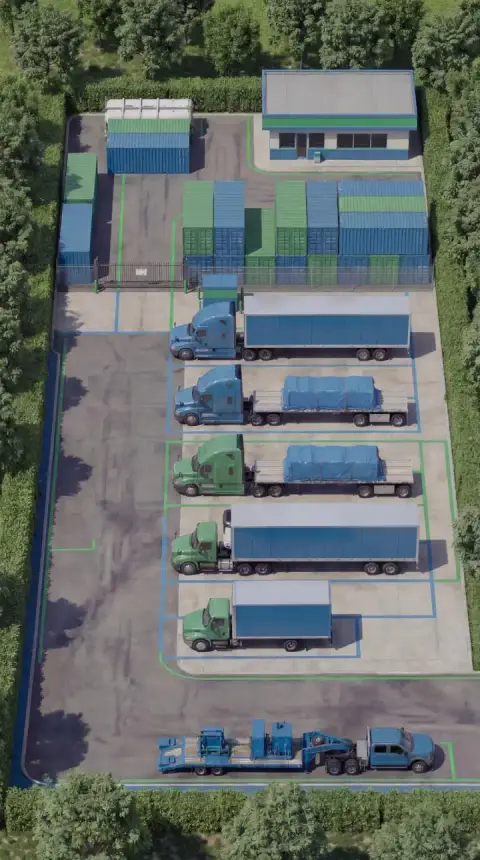
Truck Dispatch Services in Florida
Florida is the third-largest state for trucking, with major freight flowing through Miami, Jacksonville, Tampa, and Orlando. The state serves as a critical distribution hub for Latin American imports and domestic goods heading to the Southeast.
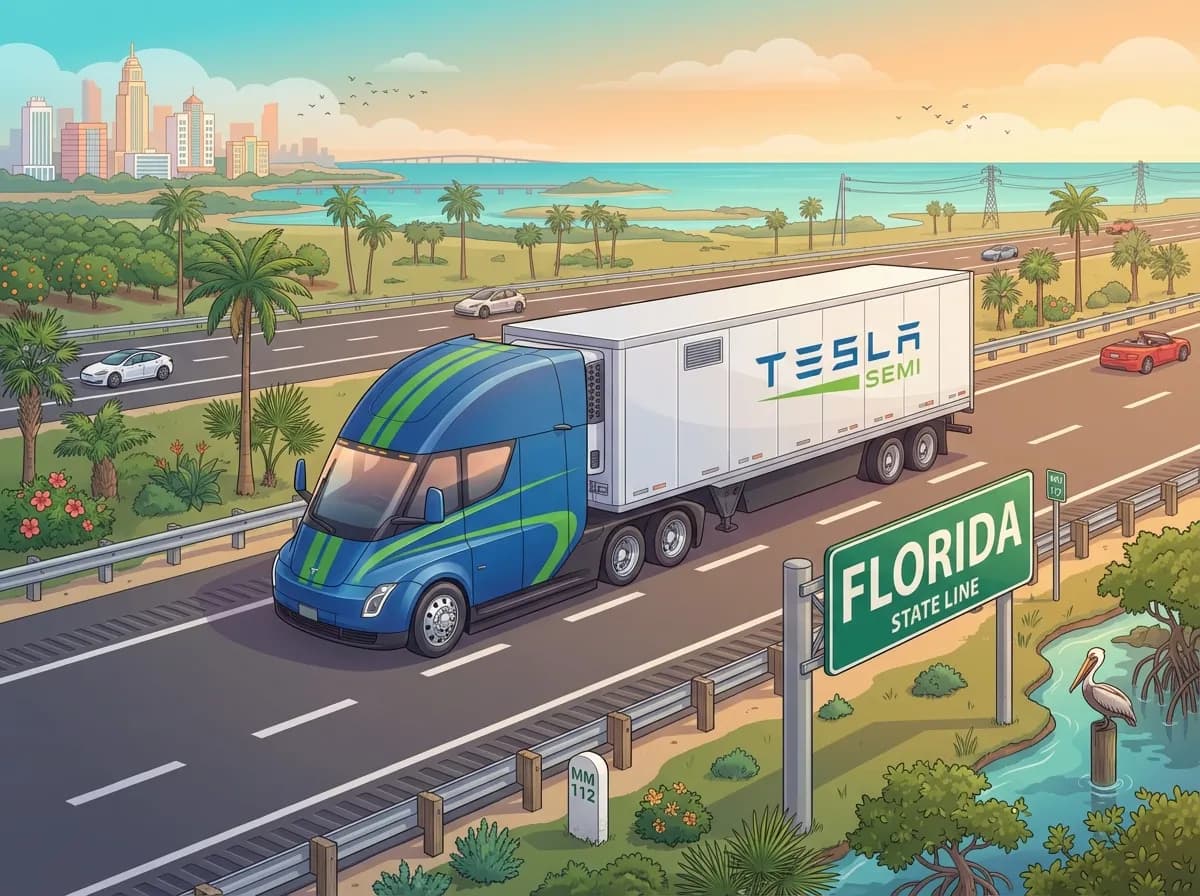
Top Freight Lanes from Florida
The Southeast's busiest lane carrying Latin American imports, produce, and consumer goods. 660 miles via I-75 with rates averaging $2.60-$3.00/mile. Strong backhaul demand both directions.
I-95 corridor moving port freight, automotive parts, and retail distribution. 400 miles with consistent year-round demand and rates of $2.70-$3.10/mile.
Mid-South connector hauling building materials, produce, and manufactured goods. 670 miles via I-75 with growing demand from Nashville's distribution boom.
Regional corridor moving tourism supplies, consumer goods, and port freight. 280 miles via I-95 with quick turnaround opportunities for carriers.
Gulf Coast lane carrying international trade freight, seafood, and petrochemicals. 1,190 miles via I-10 with strong rates during produce season.
Why Florida Carriers Choose FF Dispatch
We specialize in finding high-paying loads on these routes and more. Our dispatchers know the Florida freight market inside and out, including sunpass/toll requirements and other state-specific requirements, ensuring you get the best rates and minimal deadhead miles.
Start Earning MoreWe Dispatch All Truck Types in Florida
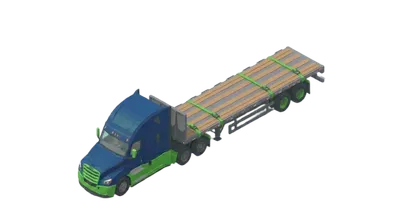
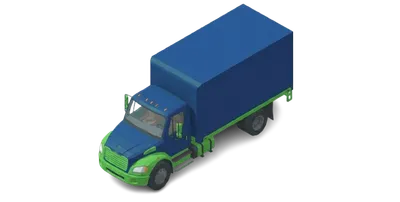
Whether you run a dry van, reefer, flatbed, or specialized equipment, our dispatchers have the expertise and connections to find you profitable loads throughout Florida. See how our truck dispatch services work nationwide, including box truck dispatch services.
Florida Trucking Facts
Third-largest state for trucking employment
Major gateway for Latin American trade
Strong reefer market due to produce and seafood
What Florida Truckers Need to Know
Sunpass/Toll Requirements
Florida has over 700 miles of toll roads. For Florida’s Turnpike, Alligator Alley and any local toll facilities, obtain the truck-class quote for the actual entry/exit, axle count and payment method. Passenger-car discounts, old flat prices and annual estimates do not establish the toll for this trip.
Hurricane Season Freight Rules
Emergency relief depends on the actual declaration, its dates and scope, and eligible direct assistance. Check current FMCSA relief and FDOT emergency permits for the load. Florida price-gouging law uses an unconscionable-price test against the preceding 30-day market; there is no universal 10% carrier-rate allowance.
Florida Overweight Permits
Florida does not have a universal 88,000 lb permit ceiling. Legal and permitted weight depends on axle configuration, bridge limits, load and route. FDOT offers route-defined trip permits and other permit types; obtain the applicable permission before travel instead of relying on a blanket fee or per-pound fine.
Florida freight follows a unique pattern: peak produce season runs November through April when reefer rates surge 20-25% as citrus, tomatoes, and berries ship north. Winter snowbird migration (October-March) drives southbound consumer freight. Summer (June-August) is slowest for general freight, but hurricane season creates unpredictable demand spikes.
Florida is a deadhead trap — more freight enters than leaves, especially south of Orlando. Smart dispatchers book northbound produce loads (Miami to Atlanta at $2.60-3.00/mile) before sending trucks south. Never accept a southbound load without a confirmed backhaul or you'll lose $500+ deadheading out.
Florida Freight Market Overview
Dominant Industries
Freight Mix
Frequently Asked Questions — Florida Trucking
Is Florida a good state for reefer trucking?
Florida is one of the best reefer markets in the US. Produce season (November-April) creates massive demand for temperature-controlled loads — citrus, strawberries, tomatoes, and tropical fruits. Reefer rates average $3.00-$3.40/mile during peak season, 20-25% above dry van.
What are the toll costs for trucking in Florida?
Florida's Turnpike, I-75 (Alligator Alley), and numerous bridges charge tolls. For Florida’s Turnpike, Alligator Alley and any local toll facilities, obtain the truck-class quote for the actual entry/exit, axle count and payment method. Passenger-car discounts, old flat prices and annual estimates do not establish the toll for this trip.
How does hurricane season affect Florida trucking?
Hurricanes can interrupt routes and facilities. Before accepting relief freight, check road closures and the actual emergency declaration: eligibility, direct assistance, covered rules and expiration matter. HOS relief is not automatic for every hurricane-season load, and weight or permit relief must be checked separately with the relevant state permit authority.
What is the deadhead problem in Florida?
Florida is a net-inbound state — more freight enters than leaves. This creates a classic deadhead problem for carriers picking up in Miami. Combat this by booking backhauls before heading south or focusing on Miami-to-Atlanta produce loads ($2.60-$3.00/mile).
Do I need special permits for Florida toll roads?
No special permits are needed, but a SunPass transponder is strongly recommended. For Florida’s Turnpike, Alligator Alley and any local toll facilities, obtain the truck-class quote for the actual entry/exit, axle count and payment method. Passenger-car discounts, old flat prices and annual estimates do not establish the toll for this trip.
Major Trucking Hubs in Florida
Miami
Miami is Florida's international trade gateway with massive Latin American import/export volumes. PortMiami handles diverse cargo from cruise supplies to consumer goods. Year-round tourism and produce create consistent demand.
Jacksonville
Jacksonville is Northeast Florida's freight hub with JAXPORT handling significant container and auto volumes. Strategic I-95 and I-10 location creates excellent connectivity to Southeast and beyond. Strong military and logistics presence.
Tampa
Tampa is West Florida's distribution hub with Port Tampa Bay handling diverse bulk and container cargo. Strong warehouse and distribution infrastructure. Tourism, construction, and agriculture drive consistent freight demand.
Orlando
Orlando is Central Florida's distribution and tourism hub. Theme parks create unique freight needs from food service to retail. Growing warehouse sector and I-4 corridor position provide excellent regional access.
Ready to Start Dispatching in Florida?
Join hundreds of Florida carriers earning more with FF Dispatch. No setup fees, no contracts, just results.