Truck Dispatch Services in California
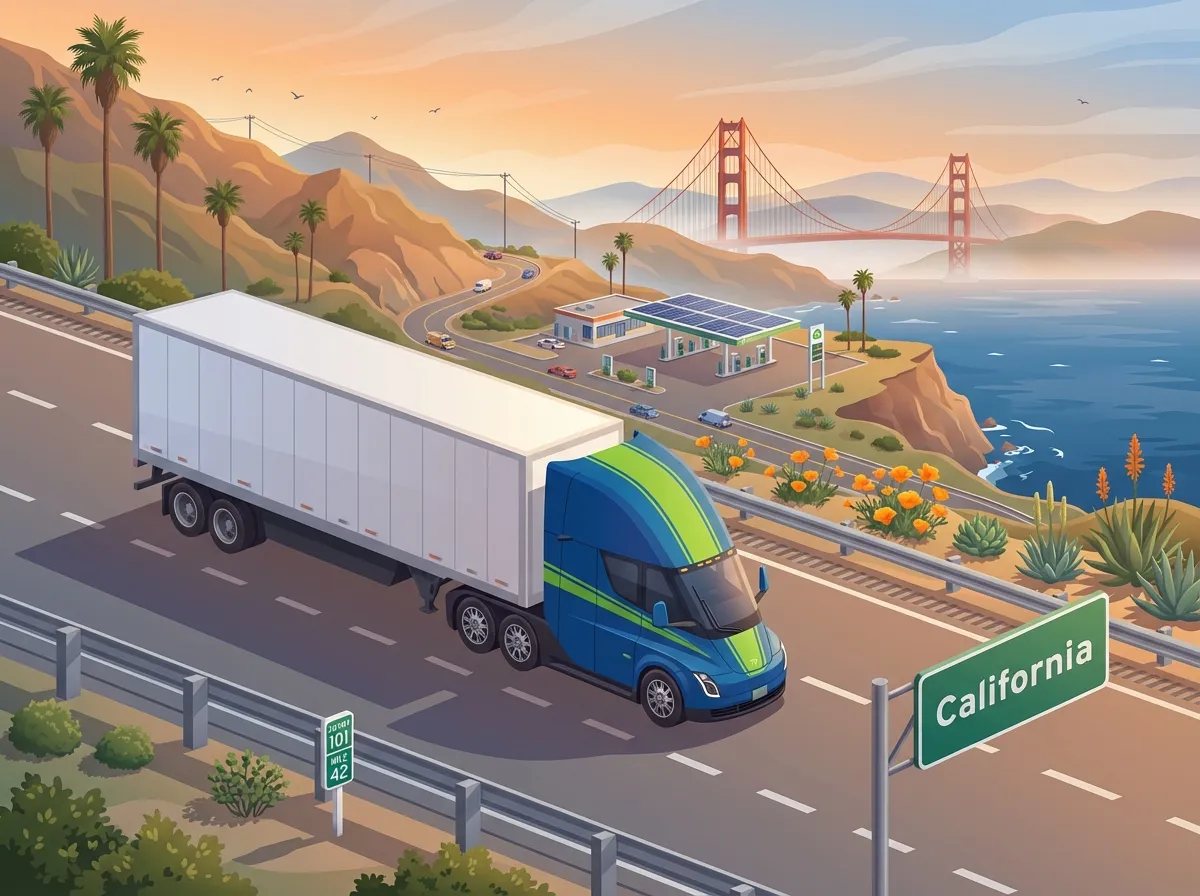
California is the gateway for international trade and domestic distribution. The ports of Los Angeles and Long Beach handle 40% of US imports, creating massive freight opportunities. From agriculture in the Central Valley to tech in the Bay Area, California offers diverse loads.
Top Freight Lanes from California
The busiest westbound backhaul lane in America. 370 miles via I-10 carrying import containers, consumer goods, and electronics. Rates average $2.80-$3.40/mile outbound.
Pacific Coast I-5 corridor moving Asian imports, tech equipment, and wine. 810 miles with premium rates of $3.00-$3.50/mile for reefer loads.
Critical East-West lane on I-10/I-20 moving port freight and retail goods. 1,430 miles with strong demand year-round, especially during import surges.
Short-haul corridor carrying construction materials, produce, and consumer goods. 330 miles via I-15 with quick turnaround and rates of $3.10-$3.60/mile.
I-5 corridor connecting agricultural Central Valley to Pacific Northwest markets. 580 miles with strong reefer demand for produce, averaging $2.90-$3.30/mile.
Why California Carriers Choose FF Dispatch
We specialize in finding high-paying loads on these routes and more. Our dispatchers know the California freight market inside and out, including carb compliance required and other state-specific requirements, ensuring you get the best rates and minimal deadhead miles.
Start Earning MoreWe Dispatch All Truck Types in California
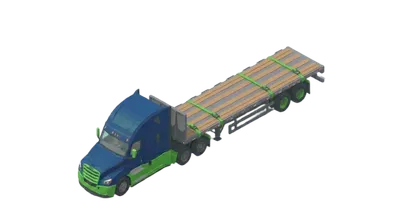
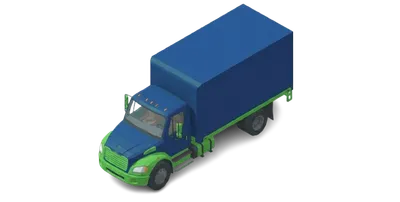
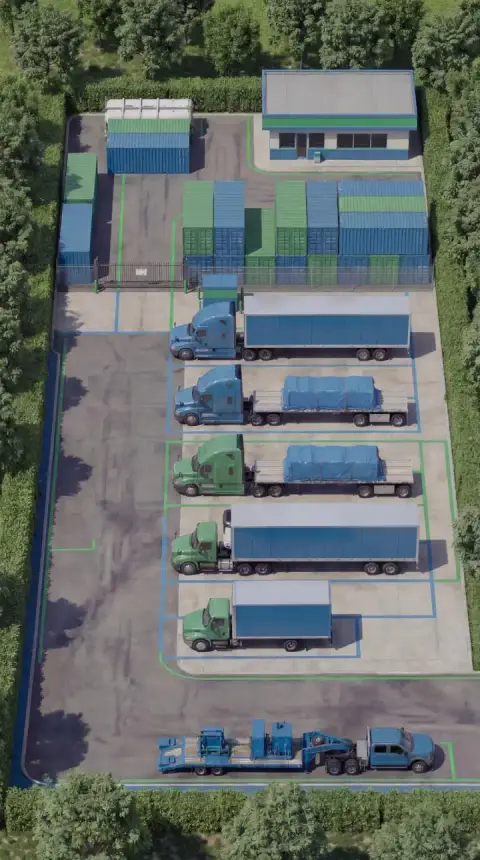
Whether you run a dry van, reefer, flatbed, or specialized equipment, our dispatchers have the expertise and connections to find you profitable loads throughout California. See how our truck dispatch services work nationwide, including box truck dispatch services.
California Trucking Facts
Largest consumer market in the US
California’s Truck and Bus rule generally covers diesel vehicles over 14,000 lb GVWR and requires 2010-or-newer engines, with specified exclusions and exceptions. Check the actual engine and applicable CARB programs; Clean Truck Check reporting/testing and refrigeration-unit rules are separate requirements.
Agriculture shipping peaks during harvest season
What California Truckers Need to Know
CARB Compliance Required
California’s Truck and Bus rule generally covers diesel vehicles over 14,000 lb GVWR and requires 2010-or-newer engines, with specified exclusions and exceptions. Check the actual engine and applicable CARB programs; Clean Truck Check reporting/testing and refrigeration-unit rules are separate requirements.
AB 5 Independent Contractor Law
AB 5 classification depends on the actual working arrangement and applicable statutory tests or exceptions. Owning MC authority alone does not establish exemption. California DOJ reported the Ninth Circuit upheld AB 5 on May 16, 2025; obtain qualified advice for your arrangement.
Driver hours and employment rules
Check employment classification and the actual operation before applying California meal/rest obligations. Federal commercial-driver hours-of-service limits are separate from employment rules; an intrastate label or Prop 22 reference does not by itself establish the applicable schedule.
California freight peaks August through November when Central Valley harvest overlaps with holiday import season — reefer rates spike 20-30% during this window. Port congestion in October-November creates premium drayage rates. January-March is the slowest period, with dry van rates dropping 15-20% as import volumes decline.
Never deadhead out of California empty. Even if rates look low, grab a load to Phoenix or Las Vegas — the return trip from AZ/NV to CA always pays better. The real money is booking a reefer load from Salinas or Fresno during harvest (August-November) when spot rates hit $3.50+/mile.
California Freight Market Overview
Dominant Industries
Freight Mix
Frequently Asked Questions — California Trucking
Do I need CARB compliance to haul in California?
Yes. California’s Truck and Bus rule generally covers diesel vehicles over 14,000 lb GVWR and requires 2010-or-newer engines, with specified exclusions and exceptions. Check the actual engine and applicable CARB programs; Clean Truck Check reporting/testing and refrigeration-unit rules are separate requirements.
What are the best-paying lanes out of California?
LA to Phoenix ($2.80-$3.40/mile), Oakland to Seattle ($3.00-$3.50/mile for reefer), and LA to Dallas ($2.70-$3.10/mile) are top earners. Reefer loads from the Central Valley command 15-25% premiums over dry van.
Is California AB 5 a problem for owner-operators?
Having your own MC authority is not a blanket exemption from AB 5. Classification depends on the actual relationship and any applicable statutory exception. California DOJ reported the Ninth Circuit upheld the law on May 16, 2025. Have qualified California counsel review your arrangement; using a dispatch service does not itself resolve classification.
When is the best season for California trucking?
August through November is peak season with harvest and holiday imports overlapping. Reefer rates jump 20-30%. Summer is strong for produce. January-March is slowest — consider repositioning to Arizona or Texas during this window.
How do California port loads work?
Port of LA/Long Beach handles 40% of US imports. Drayage loads pay $200-$400 per container move. Long-haul loads from port average $2.70-$3.20/mile. TWIC is for unescorted access to secure areas of regulated maritime facilities. TSA’s standard new-enrollment fee is $127 as checked November 8, 2026; reduced/renewal options differ. Confirm the specific terminal’s registration, truck eligibility and appointment before dispatch; a TWIC alone is not a terminal booking or guaranteed access.
What truck types are most profitable in California?
Reefers dominate in the Central Valley ($3.10-$3.50/mile during harvest). Dry vans handle the majority of port and retail freight. Flatbeds are in demand for construction and solar panel installations, especially in Southern California.
Major Trucking Hubs in California
Los Angeles
LA is the largest freight market in America, powered by the Ports of LA and Long Beach. Import containers, regional distribution, and cross-country runs create massive opportunities. Competition is high, but so are volumes and rates.
San Diego
San Diego is a major Southern California port city with strong cross-border trade to Mexico. Military, biotech, and tourism sectors create diverse freight. Excellent backhaul opportunities to Arizona and Nevada.
Oakland
Oakland is the Bay Area's freight gateway with the Port of Oakland handling massive container volumes. Tech, wine country, and agriculture create diverse freight. I-80 and I-580 provide excellent regional connectivity.
San Francisco
San Francisco is the tech capital with high-value freight and strong consumer goods demand. Dense urban market creates LTL and box truck opportunities. Challenging parking but premium rates compensate.
Sacramento
Sacramento is Northern California's distribution hub and state capital. Agriculture, government, and regional distribution drive freight demand. I-5 and I-80 corridors provide excellent connectivity north and south.
Fresno
Fresno is the heart of California's Central Valley agriculture region. Massive produce and agriculture freight creates strong reefer demand. Seasonal peaks during harvest with excellent rates.
Ready to Start Dispatching in California?
Join hundreds of California carriers earning more with FF Dispatch. No setup fees, no contracts, just results.