


Agriculture & Grain Dispatch
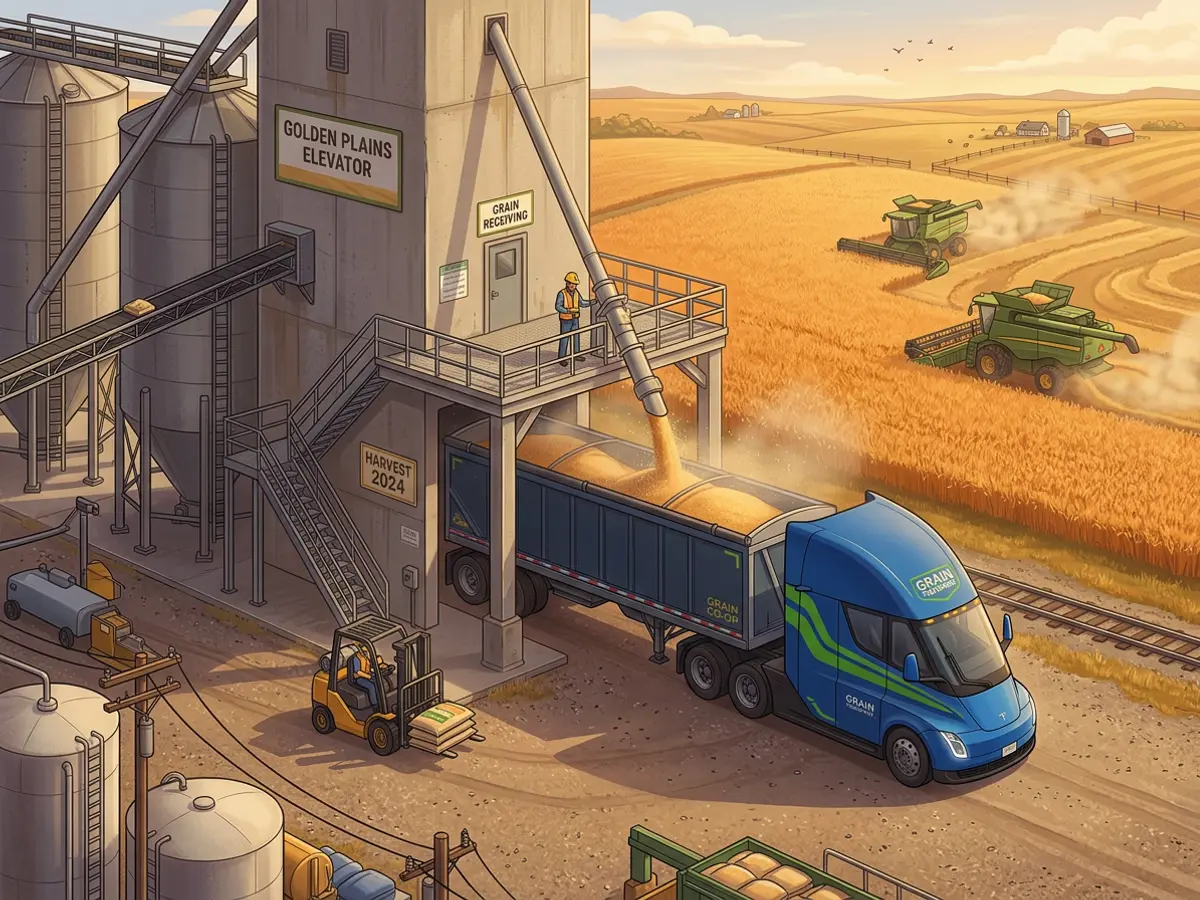
Agricultural freight is the original trucking category, moving 4.5 billion bushels of grain, 180 million tons of animal feed, and $120 billion in farm products annually across 5.2 million truckloads. Harvest season (September-November) creates the most intense freight surge in trucking — flatbed, hopper, and dry van rates in the Corn Belt (IA, IL, IN) spike 25-40% in a 6-week window as 90 million acres of corn and 87 million acres of soybeans hit elevators simultaneously. Rates average $2.80-$3.40/mile for standard ag loads, with harvest-season hopper bottom runs commanding $3.60-$4.20/mile.
Seasonality & Timing
When agriculture & grain freight pays the most
Agriculture has two peaks: fall harvest (September-November) when 90% of corn and soybeans are harvested, creating a 6-week freight frenzy in the Corn Belt at $3.60-$4.20/mile. Spring planting (March-April) generates seed, fertilizer, and equipment loads. Winter wheat harvest (June-July) creates a secondary peak in Kansas and Oklahoma. December-January is the lull — grain sits in storage, and most field operations cease. Feed and livestock loads run year-round but at lower rates ($2.60-$2.90/mile).
Handling Requirements
What it takes to haul agriculture & grain safely and compliantly
Hopper bottom trailers for bulk grain — must be clean, dry, and free of previous commodity residue (cross-contamination downgrades grain value $0.10-$0.25/bushel)
Flatbed for equipment, hay bales, and palletized feed — 8ft tarps required for bagged products
Dry van for packaged agricultural products (processed feed, seed, specialty crops)
Weight compliance critical — a full hopper of corn weighs 54,000-56,000 lbs at harvest moisture (15.5%), requiring strict tractor weight management
Grain fumigation certificates may be required for export-bound loads
Agricultural exemption from HOS (150 air-mile radius during harvest) — verify state-specific rules before claiming
Compatible Truck Types
Equipment that handles agriculture & grain freight
Dry Van
The most versatile enclosed trailer, ideal for palletized and floor-loaded freight
View Dry Van DetailsFlatbed
Open-deck trailer for oversized, heavy, and irregularly shaped freight
View Flatbed DetailsHopper Bottom
Power Only
Tractor-only service hauling shipper-owned trailers
View Power Only DetailsGeographic Hotspots
Top regions for agriculture & grain freight volume and rates
Central IL (Champaign, Decatur, Springfield)
Illinois produces 2.2 billion bushels of corn and soybeans annually — the second-highest in the US. Decatur (ADM world HQ) and surrounding elevators generate 8,000+ truckloads per week during September-November harvest. Farm-to-elevator runs pay $3.80-$4.50/mile on 20-60 mile short hauls. Outbound from elevators to Gulf export terminals averages $3.00-$3.40/mile.
Northern Indiana (Lafayette, Kokomo, Logansport)
Indiana's 14.5 million acres of farmland produce 1 billion bushels of corn annually. Cargill, Bunge, and ADM operate 120+ elevators along the I-65 corridor. Harvest-season hopper loads from farms to elevators pay $4.00-$5.00/mile on 15-40 mile runs. Year-round feed mill deliveries from grain processors to livestock operations pay $2.80-$3.20/mile.
Texas Panhandle & South Texas
The Texas Panhandle is cattle feed country — 2.6 million head of feedlot cattle consume 15 million tons of feed annually, generating constant demand for grain and silage trucking from Corn Belt elevators. Inbound grain loads from Kansas/Oklahoma pay $2.90-$3.30/mile. South Texas cotton harvest (August-October) adds 2,000+ flatbed loads/week at $3.20-$3.60/mile.
Missouri River Corridor (Kansas City, St. Joseph, Columbia)
Missouri sits at the crossroads of Corn Belt production and Gulf Coast export flows. Kansas City's grain terminals process 800 million bushels annually, and the Missouri River barge system creates multimodal transload opportunities. Truck-to-barge loads from Central MO to KC terminals run 100-150 miles at $3.40-$3.80/mile during harvest.
Top Lanes for Agriculture & Grain
Major freight corridors where agriculture & grain loads are consistently available
I-10 Southern Corridor
I-80 Northern Corridor
I-35 Central Corridor
Agriculture & Grain Challenges We Solve
Common obstacles for agriculture & grain carriers and how we help you overcome them
Harvest-season capacity wars
During the 6-week corn/soybean harvest (late September to early November), every farmer in the Corn Belt needs trucks simultaneously. Elevator wait times hit 4-8 hours, and rates swing $0.50/mile day-to-day based on weather. A rain delay pushes harvest back and compresses the window, making the crunch even worse.
We pre-position carriers in the Corn Belt starting in late August and lock in rates with elevator contracts before harvest begins. Our dispatchers track harvest progress county-by-county using USDA crop reports and position trucks where harvest is running ahead of schedule (shorter elevator waits). We also negotiate priority unloading slots at elevators where we consistently provide 10+ trucks per week.
Hopper trailer cleaning and contamination
Grain elevators reject loads with visible residue from previous commodities. A hopper that hauled fertilizer last week cannot carry food-grade soybeans without a $200-$350 professional washout. Cross-contamination with allergens (wheat in soybean loads) can trigger FDA-level rejections and $10,000+ penalties for export shipments.
We track every carrier's last three loads to verify commodity compatibility. For food-grade grain, we only dispatch carriers with certified washout receipts from the last 48 hours. We maintain a list of 50+ approved hopper washout facilities across the Corn Belt and schedule washouts in advance during harvest season when wait times can exceed 6 hours.
Dispatcher Tip
Harvest freight is a sprint, not a marathon — you have 6 weeks to make 20% of your annual revenue. The key is positioning. By September 15, have your trucks within 50 miles of major elevators in Central IL, Northern IN, or Western IA. Track the USDA Weekly Crop Progress report every Monday — when corn harvest completion jumps 10+ percentage points in a week, that is where the freight is. Also, do not overlook the spring fertilizer season (March-April). Anhydrous ammonia, potash, and phosphate loads from river terminals to farm co-ops pay $3.20-$3.60/mile and there is almost no competition because most flatbed guys are chasing construction loads. It is the second-best ag window of the year.
Agriculture & Grain FAQ
Common questions about hauling agriculture & grain freight
What type of trailer do I need for grain hauling?+
How much do agricultural loads pay?+
Do agricultural loads qualify for HOS exemptions?+
Is agricultural freight consistent enough for a full-time operation?+
Ready to Haul Agriculture & Grain Freight?
Our dispatchers specialize in agriculture & grain loads. Book a call and we will build a lane plan that maximizes your revenue.