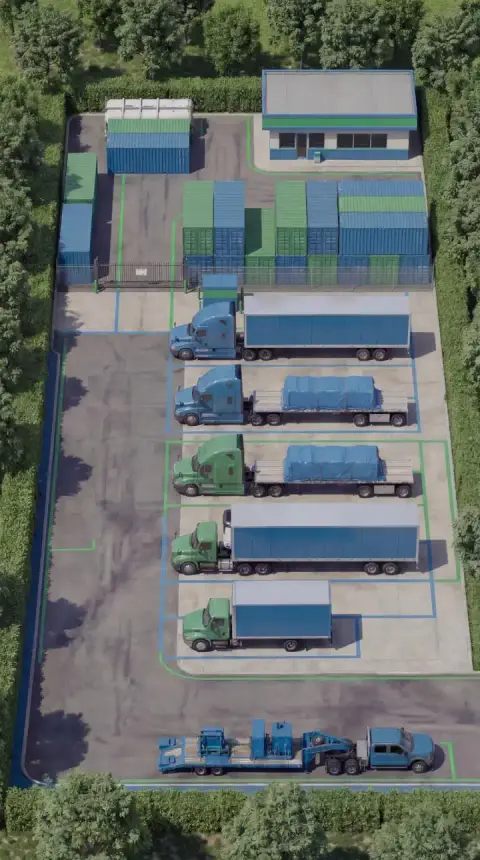
Truck Dispatch Services in Colorado
Colorado is the Mountain West distribution hub with Denver serving as a critical crossroads. The state connects California to the Midwest and Texas to the Pacific Northwest. Growing population and business-friendly climate drive expanding freight opportunities.
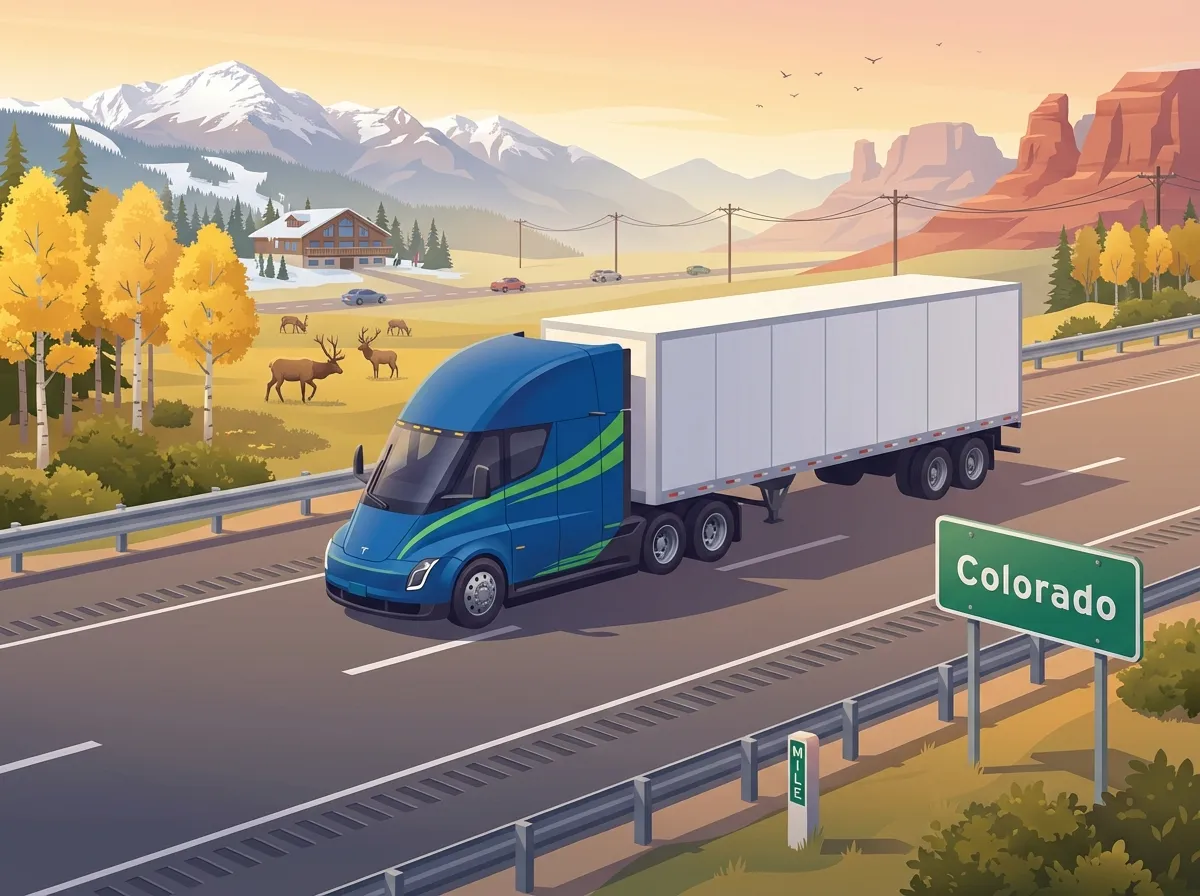
Top Freight Lanes from Colorado
Mountain West to West Coast corridor via I-70/I-15 carrying consumer goods, cannabis products, and manufactured materials. 1,020 miles with rates of $2.50-$2.90/mile.
South-Central corridor via I-25/US-287 hauling energy equipment, consumer goods, and food products. 780 miles with rates of $2.70-$3.10/mile and growing demand.
Southwest connector via I-25/I-40 moving construction materials, consumer goods, and produce. 600 miles with consistent year-round volume.
Plains corridor via I-70 hauling agricultural products, manufacturing equipment, and retail goods. 600 miles with balanced freight flow.
I-70 mountain corridor through the Rockies carrying consumer goods, energy equipment, and outdoor recreation products. 525 miles with seasonal rate premiums during winter.
Why Colorado Carriers Choose FF Dispatch
We specialize in finding high-paying loads on these routes and more. Our dispatchers know the Colorado freight market inside and out, including i-70 mountain corridor chain law and other state-specific requirements, ensuring you get the best rates and minimal deadhead miles.
Start Earning MoreWe Dispatch All Truck Types in Colorado
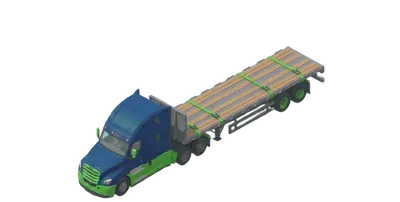
Whether you run a dry van, reefer, flatbed, or specialized equipment, our dispatchers have the expertise and connections to find you profitable loads throughout Colorado.
Colorado Trucking Facts
Fastest-growing major metro area for logistics
I-70 and I-25 are critical Mountain West corridors
Cannabis industry creates unique freight opportunities
What Colorado Truckers Need to Know
I-70 Mountain Corridor Chain Law
Colorado's chain law requires commercial vehicles to carry chains on I-70 between Morrison and Dotsero (September-May). Traction law violations carry $162 fines. Blocking I-70 due to inadequate traction results in $656 fines plus towing costs of $1,000+.
Eisenhower Tunnel Restrictions
The Eisenhower Tunnel on I-70 prohibits hazmat loads and restricts vehicles over 13'11" height. Trucks must use the right lane only. Violations result in tunnel closure and fines of $500+. Alternate route via Loveland Pass adds 30 minutes.
Denver Metro Emissions Testing
Trucks registered in the Denver metro area must pass emissions testing. Colorado follows EPA Tier 3 standards. Non-compliant vehicles face registration holds and $150 fines. Testing costs $25 per inspection.
Colorado freight peaks March through June with construction season and oil & gas activity ramping up. Fall (September-November) brings strong holiday distribution volume through Denver's expanding warehouse corridor. Winter (December-February) creates premium rates for mountain-capable carriers as I-70 closures thin competition — rates spike 20-30% during storms. Summer ski town supply runs maintain steady reefer demand.
I-70 through the Rockies is the gatekeeper — when it closes (which happens 10-15 times per winter), rates on alternate routes spike 30-40%. Carriers who can handle mountain driving earn consistent premiums. Denver to Salt Lake City ($3.00-3.40/mile) through the mountains is underpriced because most carriers avoid it. If you have mountain experience, it's easy money.
Colorado Freight Market Overview
Dominant Industries
Freight Mix
Frequently Asked Questions — Colorado Trucking
How do mountain passes affect Colorado trucking?
I-70 through the Rockies closes regularly in winter storms, especially near the Eisenhower Tunnel and Vail Pass. Chain law is enforced September-May. Carriers who can handle mountain driving earn 20-30% premium rates. Always carry chains and monitor CDOT for closures.
Is Denver a good freight market?
Denver is the fastest-growing logistics market in the Mountain West. The city added 8M+ sq ft of warehouse space recently. Amazon, Walmart, and national distributors have major operations here. Denver's central position connects to LA, Dallas, Kansas City, and Salt Lake City.
What are the Eisenhower Tunnel restrictions?
The Eisenhower Tunnel (I-70, elevation 11,158 ft) prohibits all hazmat loads and vehicles over 13'11" height. Trucks must use the right lane. Violations close the tunnel and carry $500+ fines. Use Loveland Pass (US-6) as an alternate route for restricted loads.
Does Colorado's cannabis industry affect trucking?
Yes — Colorado's legal cannabis industry generates specialized freight (not the plant itself, which can't cross state lines, but growing equipment, packaging, ancillary products). This niche freight pays premium rates and is growing. Standard carriers can haul non-plant cannabis industry products.
Major Trucking Hubs in Colorado
Denver
Denver is the Mountain West distribution capital connecting all major regions. Fastest-growing metro for logistics with major distribution centers. I-25 and I-70 corridors plus central location create exceptional opportunities.
Colorado Springs
Colorado Springs is home to major military installations creating specialized freight needs. I-25 corridor connects to Denver and New Mexico. Growing tech sector and tourism drive consistent volumes.
Aurora
Aurora is part of the Denver metro with strong distribution and healthcare sectors. Proximity to Denver International Airport creates cargo opportunities. I-70 and I-225 provide excellent regional access.
Ready to Start Dispatching in Colorado?
Join hundreds of Colorado carriers earning more with FF Dispatch. No setup fees, no contracts, just results.