


Energy & Oil Field Dispatch
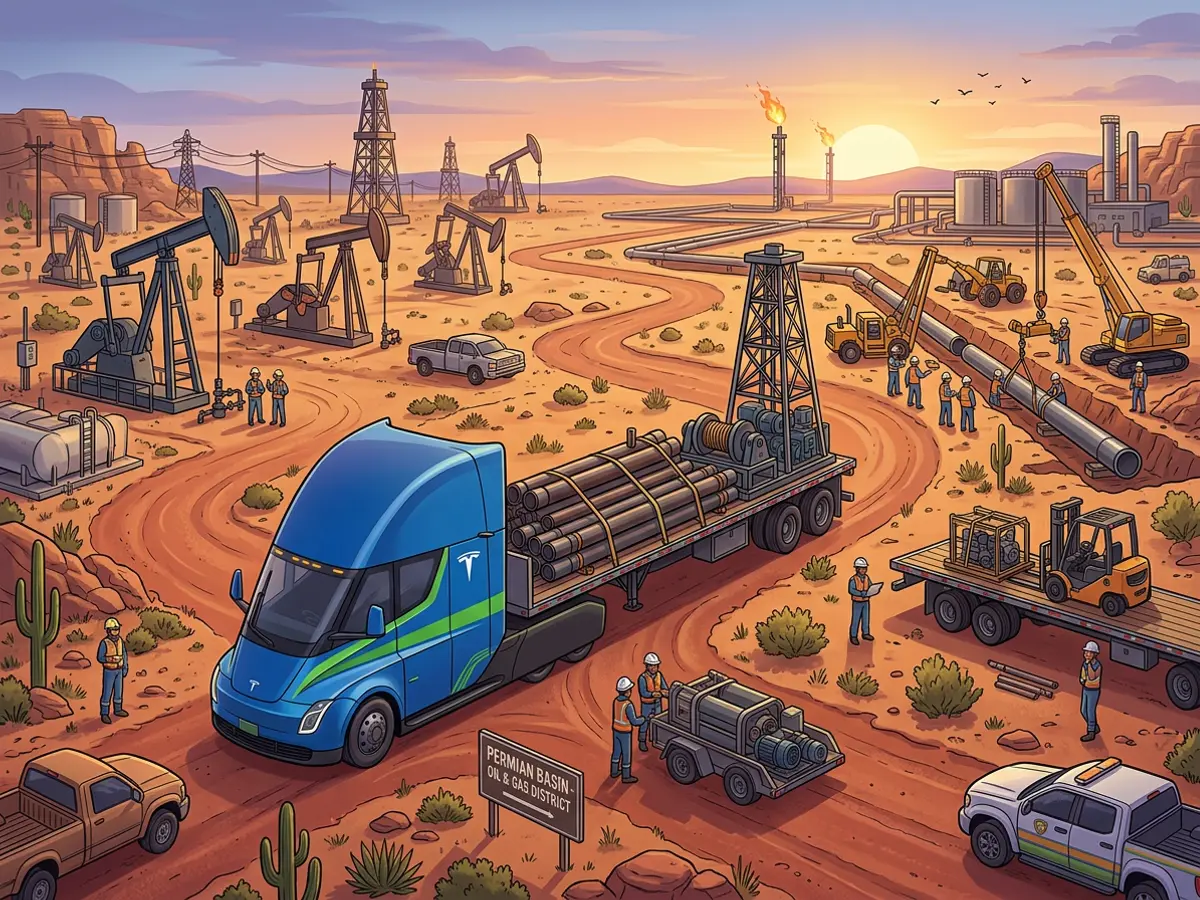
Energy freight encompasses the transport of drilling equipment, pipe, frac sand, completion chemicals, and production materials to and from oil and gas fields — a $35 billion annual trucking market that tracks directly with rig counts. When the US rig count runs above 600 (currently around 580-620), flatbed and specialized carriers in the Permian Basin (TX/NM) and Bakken (ND/MT) earn $4.00-$6.50/mile on loads that other freight categories cannot match. The catch: volume swings 30-50% within 90 days based on crude oil price movements, requiring dispatchers who can pivot fast.
Seasonality & Timing
When energy & oil field freight pays the most
Drilling activity ramps in spring (March-May) after winter weather subsides and operators deploy annual CAPEX budgets. A second wave hits September-November as operators rush to meet year-end production targets. Summer slowdowns occur when extreme heat in West Texas forces reduced work hours. December drops as capital budgets freeze. Unlike other categories, energy freight reacts to WTI crude price — a $10/barrel swing shifts rig counts by 50-80 rigs within 6 weeks.
Handling Requirements
What it takes to haul energy & oil field safely and compliantly
Flatbed with heavy securement gear — drill pipe loads run 42,000-47,000 lbs requiring 12+ chains and pipe racks
Step deck or RGN (Removable Gooseneck) for oversized equipment like BOP stacks, frac trees, and mud pumps
Winch trucks for loading/unloading pipe and heavy equipment at well sites without dock facilities
Tanker endorsement (CDL with N endorsement) for frac water, produced water, and crude oil hauling
HazMat endorsement required for frac chemicals, completion fluids, and crude oil transport
TWIC card for loads originating from or delivering to refineries and offshore staging yards
Compatible Truck Types
Equipment that handles energy & oil field freight
Flatbed
Open-deck trailer for oversized, heavy, and irregularly shaped freight
View Flatbed DetailsStep Deck
Lower deck height for taller freight without oversize permits
View Step Deck DetailsHotshot
Expedited delivery with medium-duty trucks for time-critical freight
View Hotshot DetailsPower Only
Tractor-only service hauling shipper-owned trailers
View Power Only DetailsGeographic Hotspots
Top regions for energy & oil field freight volume and rates
Permian Basin (Midland, Odessa, Pecos)
The Permian Basin accounts for 45% of total US oil production, with 300+ active rigs generating 15,000+ truckloads per week of pipe, sand, chemicals, and equipment. Rates from Houston pipe yards to Midland run $4.50-$5.50/mile (320 miles). Local field moves between well pads pay $800-$1,200 flat for 30-mile hauls.
Charlotte Pipeline Corridor
The Colonial Pipeline and Transco natural gas corridor run through Charlotte, creating steady demand for pipeline construction materials, valve assemblies, and compressor station equipment. Loads from Houston to Charlotte average $3.20-$3.60/mile with good volume from major pipeline operators.
DJ Basin (Weld County, Greeley)
The Denver-Julesburg Basin in Northern Colorado runs 120+ rigs, mostly horizontal wells targeting the Niobrara formation. Pipe loads from Tulsa supply yards to Greeley pay $3.80-$4.40/mile. Local frac sand hauls from rail terminals to well sites pay $600-$900 per load on 15-25 mile runs.
Marcellus Shale (Washington County, Greene County)
The Marcellus Shale natural gas play spans Southwest PA and Northern WV with 50-70 active rigs. Equipment and pipe loads from Pittsburgh-area supply yards to well sites pay $4.00-$5.00/mile on short 50-100 mile runs. Water hauling (frac water in, produced water out) runs $350-$550 per load on 20-40 mile circuits, with operators needing 30-60 tanker loads per well completion.
Top Lanes for Energy & Oil Field
Major freight corridors where energy & oil field loads are consistently available
Energy & Oil Field Challenges We Solve
Common obstacles for energy & oil field carriers and how we help you overcome them
Oil price volatility wrecks volume
When WTI crude drops below $65/barrel, operators cut drilling budgets within 4-6 weeks. In the 2020 crash, Permian Basin truckloads dropped 60% in 8 weeks. Carriers who are 100% oil field go from $25,000/week revenue to $8,000/week overnight.
We cap energy freight at 60% of any carrier's total book. The other 40% stays in construction, agriculture, or manufacturing lanes that are not correlated with crude prices. When rig counts drop, we migrate trucks to wind farm construction (turbine blade transport pays $5,000-$8,000/load) or pipeline decommissioning projects.
Remote well site access
Oil field deliveries often go to unpaved lease roads 10-30 miles from the nearest highway. During spring thaw (March-April) or after rain, these roads become impassable for standard trucks. Stuck trucks cost $2,000-$5,000 in recovery fees and 12-24 hours of downtime.
We verify road conditions with the well site operator before dispatching and maintain a list of locations with known access issues. During wet seasons, we only send trucks with locking differentials or arrange for the operator to grade the road before delivery. If conditions deteriorate mid-route, we stage the load at the nearest paved pulloff and coordinate a field truck relay.
HazMat and regulatory complexity
Oil field chemicals, crude oil, and produced water require HazMat endorsements, proper placarding, and compliance with DOT 49 CFR Parts 171-180. Non-compliance fines start at $1,000 per violation and a serious incident can trigger a $250,000+ penalty. Only 15% of CDL holders carry a HazMat endorsement, limiting the carrier pool.
We pre-verify HazMat endorsements, placard inventory, and insurance coverage for every carrier in our energy pool. Our dispatch process includes a HazMat checklist with UN number, proper shipping name, and emergency response information. For carriers interested in adding HazMat to their capabilities, we provide study guides and connect them with approved testing facilities.
Dispatcher Tip
Oil field freight is feast or famine, but the feast is incredibly rich. The key is relationships with the supply yards, not the operators. Pipe yards in Houston (Cactus Pipe, Vallourec), sand transload facilities in Kermit/Monahans, and chemical suppliers in Odessa dispatch 90% of oilfield loads. Get in with 3-4 supply yard dispatchers and you will have first-call freight at $4.50+/mile all through drilling season. One more thing: watch the Baker Hughes rig count report every Friday at 1 PM ET — if rig counts tick up 10+ in a week, rates are going up within 7 days. Position your trucks in Midland before everyone else catches on.
Energy & Oil Field FAQ
Common questions about hauling energy & oil field freight
How much do oil field loads pay per mile?+
What certifications do I need for energy freight?+
Is energy freight stable enough to build a business around?+
What kind of truck works best for oil field freight?+
Ready to Haul Energy & Oil Field Freight?
Our dispatchers specialize in energy & oil field loads. Book a call and we will build a lane plan that maximizes your revenue.