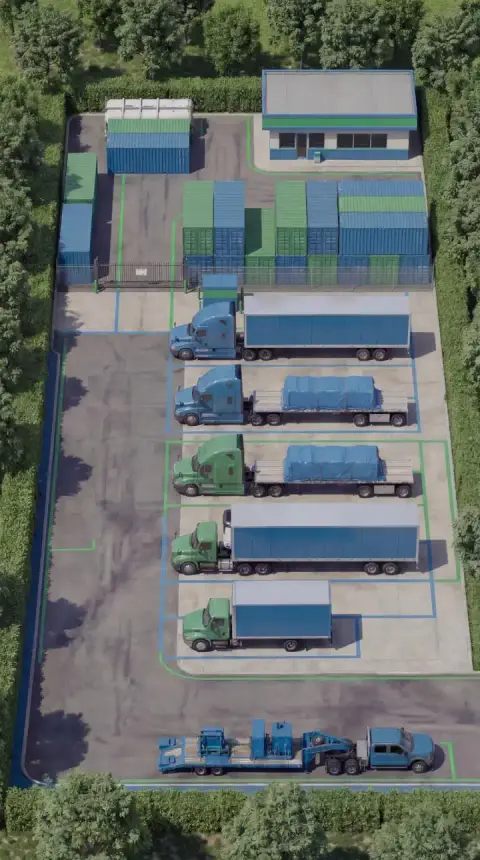
Truck Dispatch Services in Oklahoma
Oklahoma sits at the South Central crossroads with Oklahoma City serving as a regional freight hub. The state offers oil & gas, agriculture, and regional distribution freight. I-35 and I-40 corridors provide strong national connectivity.
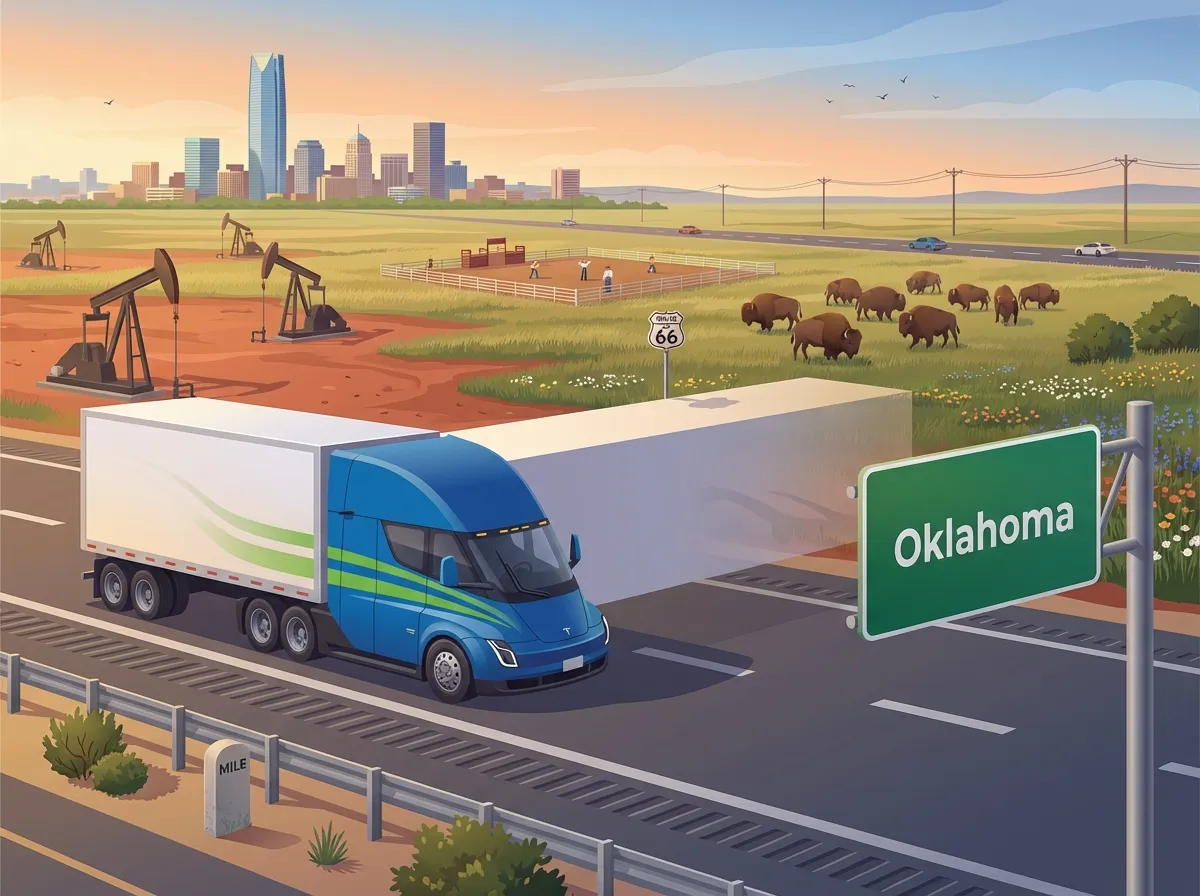
Top Freight Lanes from Oklahoma
I-35 corridor hauling oil & gas equipment, consumer goods, and agricultural products. 205 miles with rates of $3.20-$3.80/mile and high frequency.
Regional connector via US-169/I-44 moving petroleum products, manufactured goods, and food products. 250 miles with consistent demand.
Plains corridor via I-40/US-54 carrying energy equipment, consumer goods, and building materials. 660 miles with growing volume.
Southeast connector via I-44/US-412 hauling petroleum, food distribution, and manufactured goods. 395 miles with balanced freight flow.
Short-haul lane via I-35 moving oil field equipment, aviation parts, and agricultural products. 160 miles with premium short-haul rates.
Why Oklahoma Carriers Choose FF Dispatch
We specialize in finding high-paying loads on these routes and more. Our dispatchers know the Oklahoma freight market inside and out, including oklahoma oil field permit requirements and other state-specific requirements, ensuring you get the best rates and minimal deadhead miles.
Start Earning MoreWe Dispatch All Truck Types in Oklahoma
Whether you run a dry van, reefer, flatbed, or specialized equipment, our dispatchers have the expertise and connections to find you profitable loads throughout Oklahoma.
Oklahoma Trucking Facts
I-35 and I-40 make it a critical crossroads
Oil & gas industry creates flatbed and specialized freight
Agriculture provides consistent seasonal volumes
What Oklahoma Truckers Need to Know
Oklahoma Oil Field Permit Requirements
Oversize loads for oil & gas equipment require ODOT permits ($25-$150 per trip). Escort vehicles needed for loads over 12' wide. Oklahoma has 50+ active oil field regions requiring frequent heavy-haul transport.
Tornado Alley Travel Advisories
Oklahoma is in the heart of Tornado Alley. ODOT issues travel advisories March through June. Carriers should monitor weather alerts and have severe weather plans. Insurance claims for tornado-damaged freight are common during spring months.
Oklahoma Turnpike System
Oklahoma has 600+ miles of turnpikes. Pikepass transponders save 15% vs. cash tolls. Full turnpike travel costs trucks $10-$30 per trip. The Turner Turnpike (OKC to Tulsa) is the most-traveled truck route — $6.25 with Pikepass.
Oklahoma freight follows energy and agriculture cycles. Oil & gas equipment demand peaks when crude prices rise — flatbed and specialized rates jump 15-20%. Winter wheat harvest (June) creates reefer demand. Holiday retail peaks October-December. Tornado season (March-June) can disrupt operations but creates emergency supply freight at premium rates.
The OKC-to-Cushing pipeline corridor (65 miles) is an overlooked tanker goldmine — Cushing is the largest oil storage hub in North America and tanker loads between refineries pay $4.50-$5.50/mile for short-haul runs. A tanker carrier staged in OKC can run 3-4 Cushing round-trips per day grossing $1,800-$2,400. When crude prices are above $75/barrel, add Bakken-to-Cushing long-haul loads at $3.80/mile for $3,000+ per run.
Oklahoma Freight Market Overview
Dominant Industries
Freight Mix
Frequently Asked Questions — Oklahoma Trucking
How does the oil & gas industry affect Oklahoma trucking?
When crude prices are above $70/barrel, Oklahoma's oil fields generate massive flatbed, tanker, and specialized equipment demand. Rates for oil field loads average $3.50-$4.50/mile. When prices drop, so does this freight — diversification is key.
Are there tolls in Oklahoma?
Yes — Oklahoma has 600+ miles of turnpikes. The Turner Turnpike (OKC to Tulsa) costs $6.25 with Pikepass. Get a Pikepass transponder to save 15%. Many carriers avoid turnpikes using I-40, but turnpikes are faster and less congested.
How does tornado season affect Oklahoma trucking?
Tornado Alley activity peaks March through June. ODOT issues travel advisories and may close highways. Carriers should monitor weather alerts, avoid open parking during warnings, and have contingency plans. Emergency supply loads after tornadoes pay premium rates.
What is the best truck type for Oklahoma?
Flatbed is king for oil field equipment (35% of OK freight). Tankers haul petroleum products from refineries. Dry van handles consumer goods and retail distribution. During wheat harvest (June), reefer and grain hoppers are in high demand.
Major Trucking Hubs in Oklahoma
Oklahoma City
Oklahoma City is the state capital and central freight hub. I-35 and I-40 crossroads create excellent connectivity. Oil & gas, aerospace, and distribution drive consistent freight volumes.
Tulsa
Tulsa is Northeast Oklahoma's freight hub with strong energy and aerospace sectors. Port of Catoosa provides inland waterway access. I-44 corridor connects to Missouri and beyond.
Ready to Start Dispatching in Oklahoma?
Join hundreds of Oklahoma carriers earning more with FF Dispatch. No setup fees, no contracts, just results.