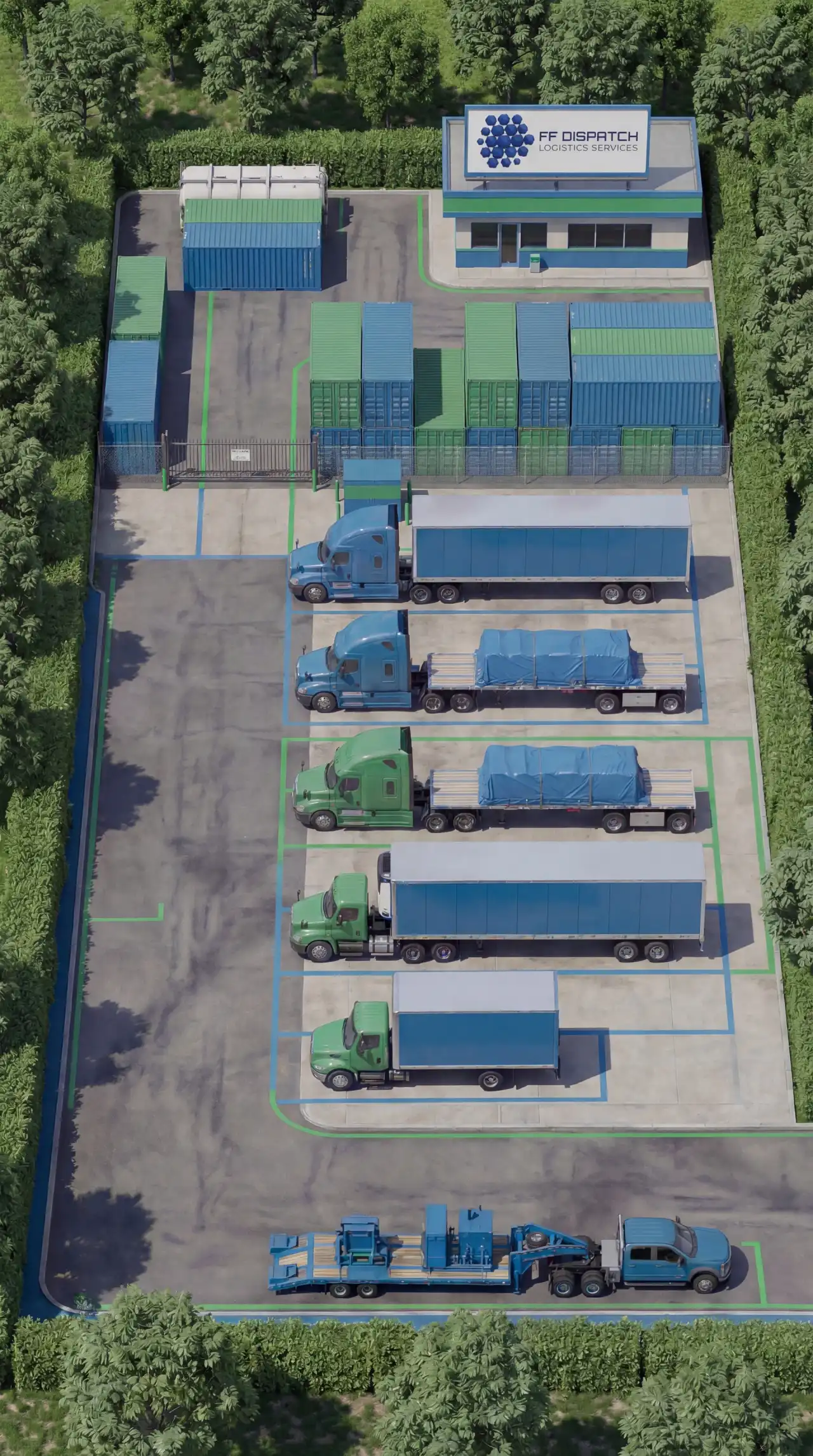
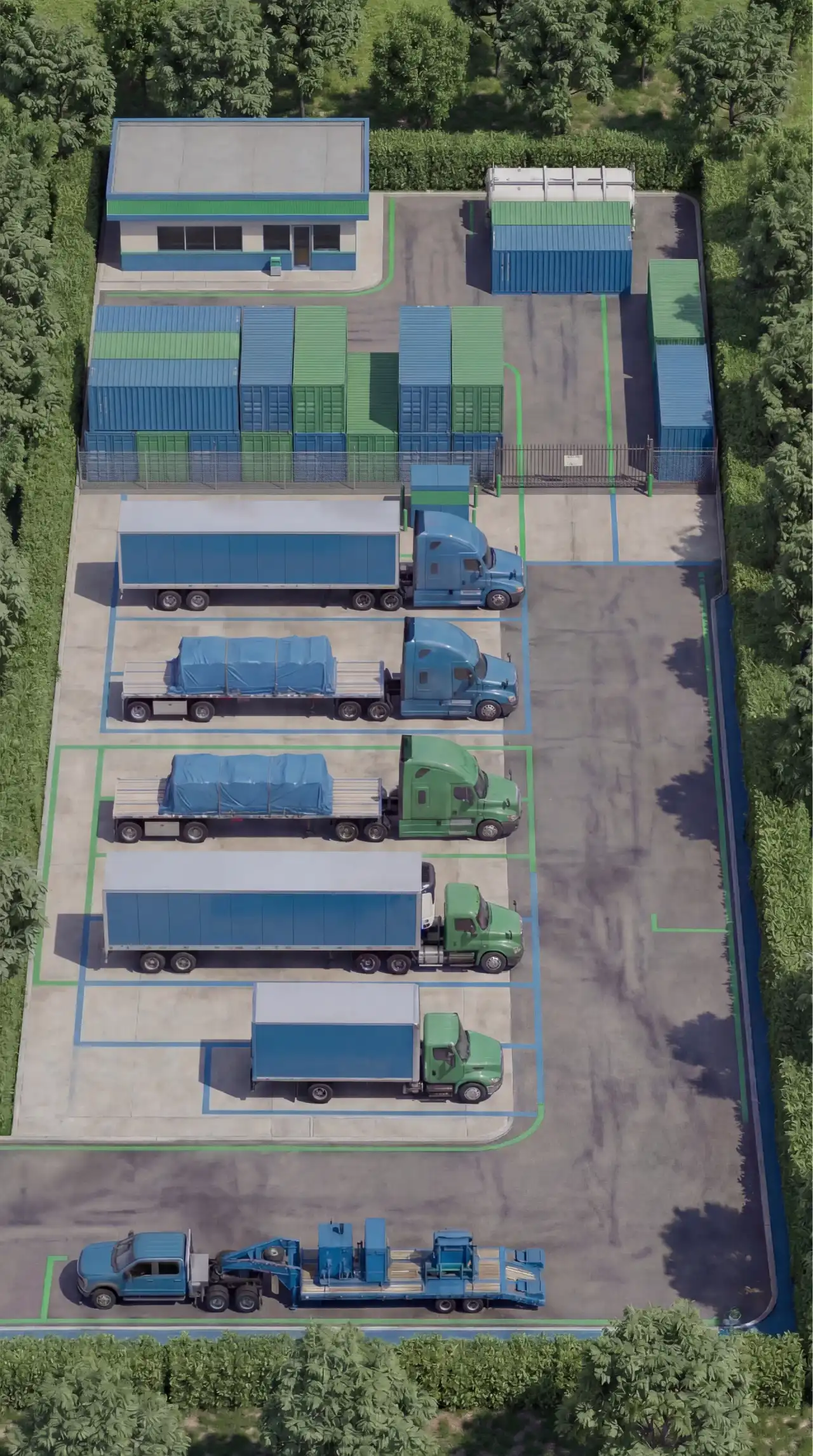
Drop Trailer
Drop trailer (drop and hook) is a loading method where a carrier drops off a pre-loaded trailer and hooks up to a different trailer, avoiding wait time for loading or unloading.
What Is Drop Trailer?
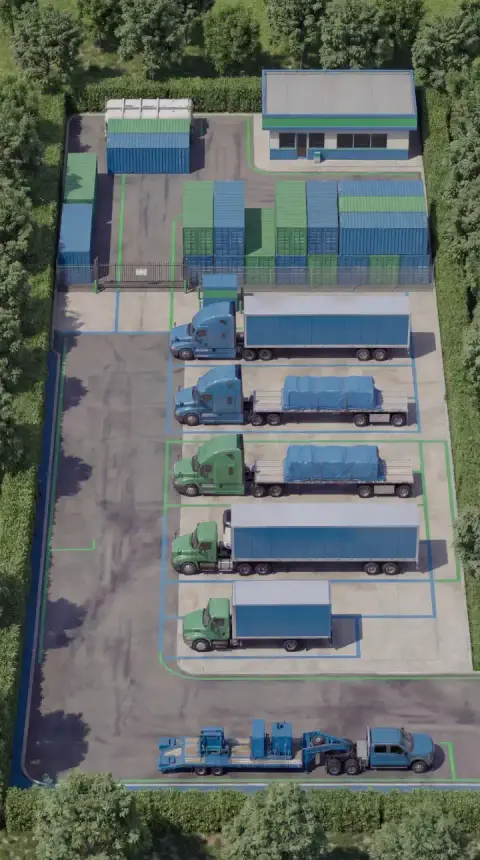
Drop trailer (also called "drop and hook" or "D&H") is a freight handling method where the carrier drops off a loaded trailer at the destination and picks up a different pre-loaded trailer (or empty trailer) rather than waiting for the freight to be unloaded and reloaded. This eliminates the loading and unloading wait time that can eat up 2-6 hours at traditional "live load" facilities.
Drop trailer operations are most common with large shippers and receivers who have enough freight volume and trailer pools to always have trailers ready for exchange. Companies like Walmart, Amazon, Costco, and major manufacturers frequently use drop trailer programs. The carrier arrives, unhooks their trailer at the designated spot, drives to another spot, hooks up a pre-loaded outbound trailer, and leaves — often completing the entire exchange in 15-30 minutes.
For carriers, drop trailer is highly desirable because it minimizes non-revenue time. Instead of waiting 2-4 hours for a live load, you are back on the road in minutes. This translates directly to more driving hours, more miles, and more revenue. Many carriers specifically request drop trailer loads for this reason. The trade-off is that drop trailer loads sometimes pay slightly less per mile because the shipper views the time savings as a carrier benefit.
Why It Matters
Drop trailer saves 2-6 hours per stop compared to live loading/unloading. Over a week with 3-4 stops, that is 8-24 hours saved — time you can spend driving revenue miles. The time savings almost always outweigh any small per-mile rate difference.
Real-World Example
Beth runs a dry van on a dedicated Walmart lane. With drop and hook, she arrives at the Walmart DC, drops her loaded trailer in 10 minutes, hooks up to a pre-loaded outbound trailer in 10 minutes, and is back on the road in 20 minutes total. Compare that to a live unload/load that takes 3-4 hours. Beth runs 3 stops per week — saving 9-12 hours compared to live loading. Those extra hours translate to 400-600 additional driving miles per week at $2.85/mile = $1,140-$1,710 in extra weekly revenue.
How FF Dispatch Handles This
FF Dispatch prioritizes drop trailer loads whenever possible to maximize your driving time. We have relationships with major shippers who offer drop and hook programs and can get you into these efficient lanes.
Frequently Asked Questions
Do I need my own trailers for drop and hook?+
Do drop trailer loads pay less?+
What do I need to check on a trailer I am picking up?+
Have Questions About Drop Trailer?
Our dispatchers explain everything in plain English. Book a free 15-minute call — no pressure, no contracts.
Book a Free Call