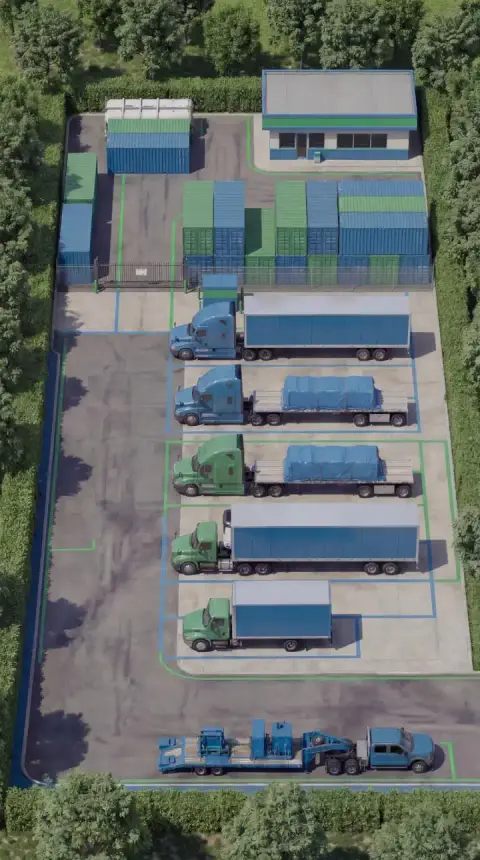
Truck Dispatch Services in Louisiana
Louisiana is the Gulf Coast freight leader with New Orleans serving as a major international port. The state offers oil & gas, petrochemical, and agricultural freight. Port of New Orleans and Port of South Louisiana create massive import/export opportunities.
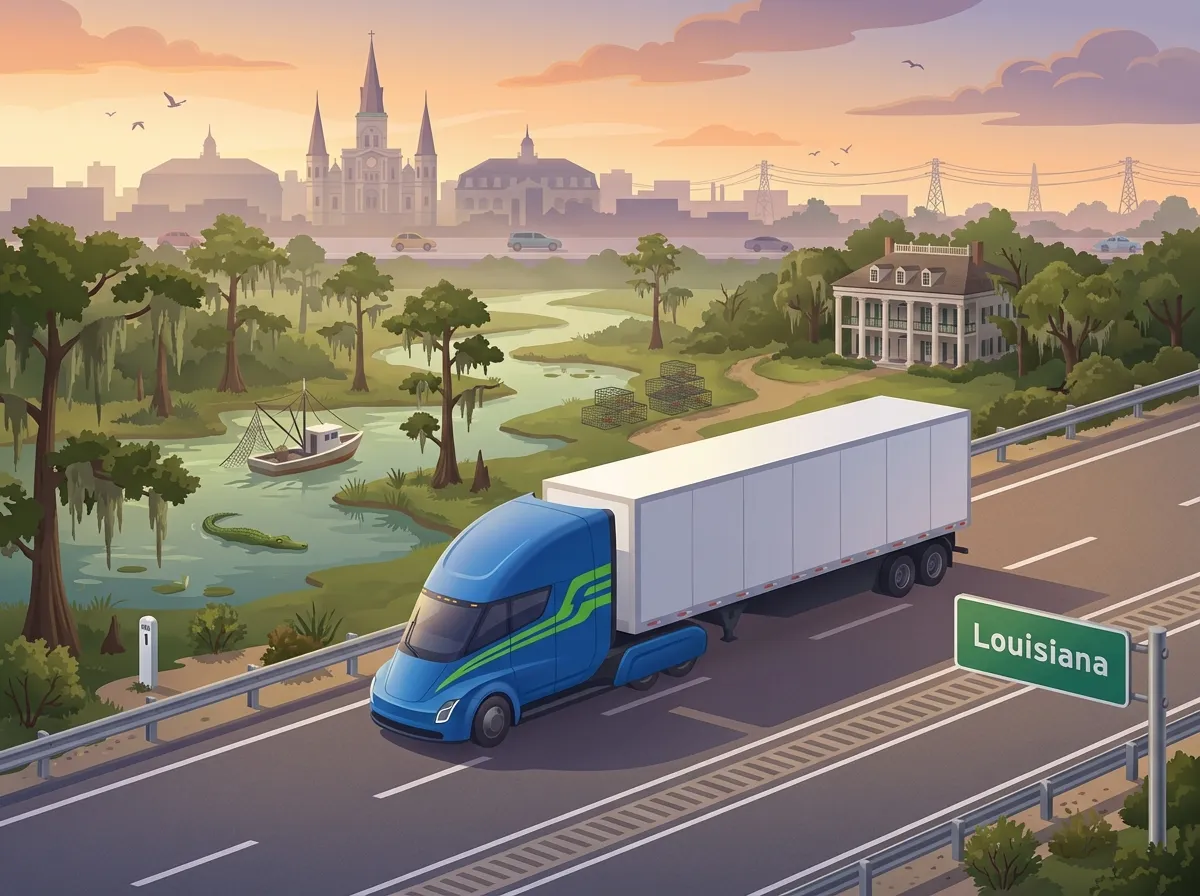
Top Freight Lanes from Louisiana
Gulf Coast corridor via I-10 hauling petrochemicals, port freight, and seafood. 350 miles with strong tanker and flatbed demand at $3.00-$3.60/mile.
I-49/I-20 corridor moving petrochemical products, manufactured goods, and agricultural freight. 450 miles with consistent industrial demand.
Southeast corridor via I-59/I-20 carrying port freight, food products, and consumer goods. 470 miles with rates of $2.70-$3.10/mile.
Regional connector via I-20/US-79 hauling oil field equipment, timber, and agricultural products. 220 miles with steady demand.
Gulf Coast lane via I-10 moving port freight, petrochemicals, and seafood. 150 miles with quick turnaround regional rates.
Why Louisiana Carriers Choose FF Dispatch
We specialize in finding high-paying loads on these routes and more. Our dispatchers know the Louisiana freight market inside and out, including louisiana overweight tolerance and other state-specific requirements, ensuring you get the best rates and minimal deadhead miles.
Start Earning MoreWe Dispatch All Truck Types in Louisiana
Whether you run a dry van, reefer, flatbed, or specialized equipment, our dispatchers have the expertise and connections to find you profitable loads throughout Louisiana.
Louisiana Trucking Facts
Port of South Louisiana is the largest tonnage port in the US
Oil & gas industry creates specialized freight demand
Mississippi River makes it a critical shipping corridor
What Louisiana Truckers Need to Know
Louisiana Overweight Tolerance
Louisiana allows a 5% weight tolerance on interstate highways, effectively allowing 84,000 lbs without penalties. This is more lenient than most states. Exceeding tolerance carries fines of $100-$1,000.
Hurricane Season Emergency Declarations
During hurricane emergencies (June-November), Louisiana waives HOS rules and weight limits for emergency supply carriers. Fuel haulers get priority access. Pre-positioning loads of water and building materials pay 30-50% premium rates.
Port of New Orleans TWIC & Hazmat Rules
All drivers need TWIC cards ($125) for port access. Hazmat loads require additional port-specific certifications. The port handles significant chemical and petrochemical cargo — specialized tanker requirements apply.
Louisiana freight follows energy and agriculture cycles. Oil & gas activity drives tanker and flatbed demand when crude prices are strong. Crawfish season (January-May) creates unique reefer loads. Sugar cane harvest (October-December) boosts agricultural freight. Hurricane season (June-November) is unpredictable — major storms create premium emergency freight but can halt normal operations for weeks.
The Baton Rouge-to-New Orleans petrochemical corridor is a goldmine for tanker carriers — 150+ chemical plants along the I-10 stretch pay $3.50-$4.50/mile for hazmat-certified loads. Stack 2-3 short runs (40-80 miles) daily for $1,500-$2,100 gross. During hurricane season, position trucks north of I-10 for emergency supply loads paying 30-50% premiums.
Louisiana Freight Market Overview
Dominant Industries
Freight Mix
Frequently Asked Questions — Louisiana Trucking
How does the oil & gas industry affect Louisiana trucking?
Louisiana's petrochemical corridor (Baton Rouge to New Orleans) generates massive tanker and flatbed demand. Tanker rates average $3.50-$4.50/mile for chemical loads. When crude prices are above $70/barrel, demand spikes across all equipment types.
What unique freight comes from Louisiana?
Seafood (crawfish, shrimp, oysters) requires reefer transport and pays premium rates. Sugar cane harvest creates October-December agricultural demand. Port of South Louisiana is the largest tonnage port in the US with grain, petrochemicals, and bulk commodities.
How does hurricane season affect Louisiana carriers?
Hurricanes (June-November) create both risk and opportunity. Emergency supply loads (water, generators, building materials) pay 30-50% premiums. HOS and weight limits are waived during declarations. However, major storms can halt operations for 1-4 weeks.
Does Louisiana allow heavier truck weights?
Louisiana allows a 5% weight tolerance on interstates — effectively 84,000 lbs without penalties. This is more generous than most states' strict 80,000 lb limit. However, state routes vary — always check posted limits on secondary roads.
Major Trucking Hubs in Louisiana
New Orleans
New Orleans is a major Gulf Coast port handling international trade. Port of New Orleans and Mississippi River create massive freight opportunities. Oil & gas, tourism, and agriculture drive diverse demand.
Baton Rouge
Baton Rouge is Louisiana's capital and petrochemical hub. Port of Greater Baton Rouge handles massive bulk cargo. I-10 and I-12 corridors provide regional connectivity. Energy sector creates strong specialized freight.
Shreveport
Shreveport is Northwest Louisiana's freight hub connecting to Texas and Arkansas. I-20 corridor provides east-west connectivity. Oil & gas, military, and regional distribution create consistent opportunities.
Ready to Start Dispatching in Louisiana?
Join hundreds of Louisiana carriers earning more with FF Dispatch. No setup fees, no contracts, just results.