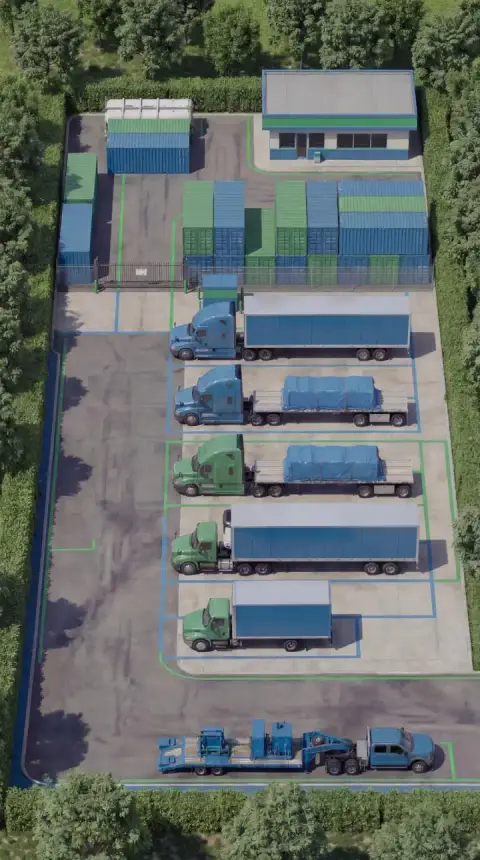
Truck Dispatch Services in New York
New York is the largest consumer market in the Northeast with New York City serving as a massive freight destination. The state offers consumer goods, food service, and manufacturing freight. Multiple ports and the massive NYC metro create endless opportunities.
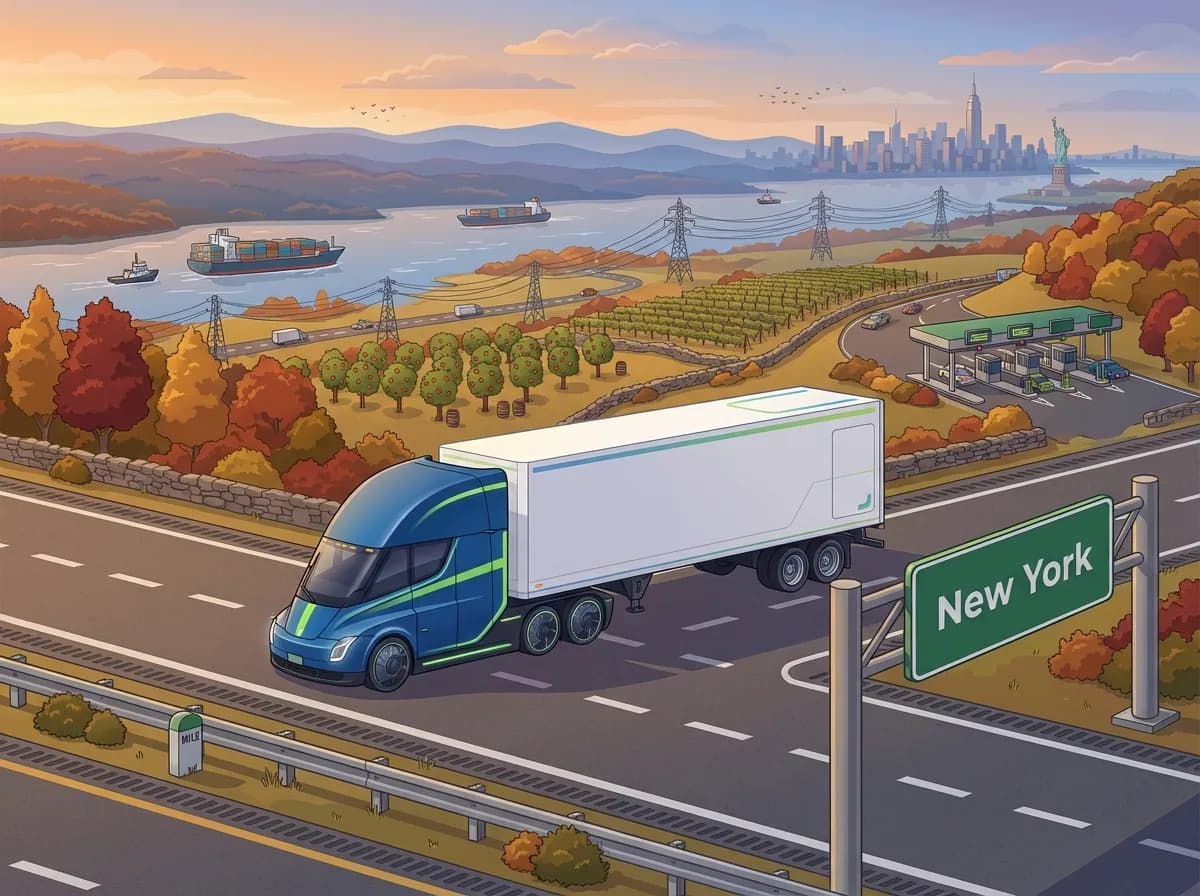
Top Freight Lanes from New York
Northeast Corridor's busiest lane via I-95/NJ Turnpike carrying consumer goods, fashion freight, and food distribution. 95 miles with rates of $4.00-$6.00/mile.
I-95 corridor moving consumer goods, food products, and e-commerce freight. 215 miles with premium Northeast rates of $3.50-$4.50/mile.
I-90 corridor hauling manufactured goods, auto parts, and consumer products. 190 miles with consistent industrial demand and cross-border overflow from Canada.
I-95 corridor carrying consumer goods, food service supplies, and port freight. 190 miles with rates of $3.50-$4.50/mile.
Cross-border lane via Peace Bridge hauling auto parts, manufactured goods, and consumer products. 100 miles with premium international rates of $4.00-$5.50/mile.
Why New York Carriers Choose FF Dispatch
We specialize in finding high-paying loads on these routes and more. Our dispatchers know the New York freight market inside and out, including nyc truck route restrictions and other state-specific requirements, ensuring you get the best rates and minimal deadhead miles.
Start Earning MoreWe Dispatch All Truck Types in New York
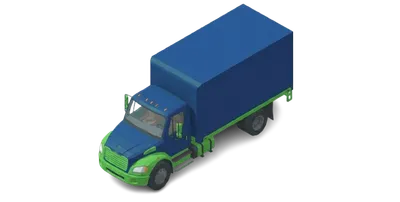
Whether you run a dry van, reefer, flatbed, or specialized equipment, our dispatchers have the expertise and connections to find you profitable loads throughout New York. See how our truck dispatch services work nationwide, including box truck dispatch services.
New York Trucking Facts
NYC is the largest consumer market in the US
Diverse freight from fashion to food service
Buffalo provides gateway to Canadian markets
What New York Truckers Need to Know
NYC Truck Route Restrictions
Use NYC DOT’s Through Truck Routes for through trips and its Local Truck Routes for local deliveries. Leave the route only as permitted to reach the actual destination, and obey posted restrictions and clearances. Truck-route rules still apply to box trucks; passenger-car GPS alone is not a safe route plan.
New York Thruway Tolls
For the Thruway and the actual MTA/Port Authority crossing, obtain the truck-class quote for the actual entry/exit, axle count and payment method. Passenger-car discounts, old flat prices and annual estimates do not establish the toll for this trip.
NYC Congestion Pricing
Overnight the toll is 75% lower, so schedule deliveries at night when possible. Trucks pay per entry into Manhattan’s Congestion Relief Zone, not once per day. As checked November 8, 2026, E-ZPass single-unit trucks pay $14.40 peak/$3.60 overnight; multi-unit trucks pay $21.60/$5.40. The zone includes local streets south of and including 60th Street, with excluded roadways. Bridge/tunnel tolls, crossing credits and exemptions are separate.
New York freight peaks September through December with holiday retail distribution — NYC alone consumes enormous volumes of consumer goods. Fashion Week (February, September) creates specialized garment freight. Summer is strong with construction in NYC and tourism goods. Winter brings challenges upstate (I-90 Lake Effect snow) but NYC metro maintains consistent year-round demand. Buffalo sees cross-border peaks aligned with Canadian retail seasons.
NYC off-peak delivery windows (7 PM-6 AM) are the hidden money lane — rates jump $1.50-$2.00/mile over daytime deliveries because most carriers avoid night work. Trucks pay per entry into Manhattan’s Congestion Relief Zone, not once per day. As checked November 8, 2026, E-ZPass single-unit trucks pay $14.40 peak/$3.60 overnight; multi-unit trucks pay $21.60/$5.40. The zone includes local streets south of and including 60th Street, with excluded roadways. Bridge/tunnel tolls, crossing credits and exemptions are separate.
New York Freight Market Overview
Dominant Industries
Freight Mix
Frequently Asked Questions — New York Trucking
How profitable is New York City freight?
NYC has the highest freight rates in the country. Short-haul rates average $4.00-$6.00/mile. LTL and box truck deliveries earn $5.00-$8.00/mile in Manhattan. The challenge is congestion, parking, and tight delivery windows — but rates compensate.
How much do New York tolls cost truckers?
New York tolls depend on the actual crossing, axle class, route and payment method; use the Thruway, MTA or Port Authority truck schedule for that trip. Trucks entering Manhattan’s Congestion Relief Zone pay per entry. As checked November 8, 2026, E-ZPass single-unit trucks pay $14.40 peak/$3.60 overnight and multi-unit trucks pay $21.60/$5.40, before separate bridge/tunnel tolls and applicable credits or exemptions.
What is NYC congestion pricing for trucks?
Overnight the toll is 75% lower, so night deliveries cut the cost. Trucks pay per entry into Manhattan’s Congestion Relief Zone, not once per day. As checked November 8, 2026, E-ZPass single-unit trucks pay $14.40 peak/$3.60 overnight; multi-unit trucks pay $21.60/$5.40. The zone includes local streets south of and including 60th Street, with excluded roadways. Bridge/tunnel tolls, crossing credits and exemptions are separate.
Is upstate New York good for trucking?
Buffalo and Albany offer lower operating costs with access to NYC, Canadian, and New England markets. Buffalo-Toronto cross-border loads pay $4.00-$5.50/mile. I-90 provides east-west connectivity. Winter Lake Effect snow creates premium rates for hardy carriers.
What are NYC truck route restrictions?
Use NYC DOT’s Through Truck Routes for through trips and its Local Truck Routes for local deliveries. Leave the route only as permitted to reach the actual destination, and obey posted restrictions and clearances. Truck-route rules still apply to box trucks; passenger-car GPS alone is not a safe route plan.
Major Trucking Hubs in New York
New York City
NYC is the largest consumer market in America with massive last-mile delivery demand. Multiple ports and dense population create endless opportunities. Challenging logistics but premium rates compensate.
Buffalo
Buffalo is a major Great Lakes port and Canadian border crossing. Manufacturing resurgence and cross-border trade drive freight. I-90 corridor connects to major Northeast and Midwest markets.
Albany
Albany is New York's capital and Hudson Valley freight hub. I-87 and I-90 corridors provide connectivity to NYC, Boston, and Montreal. Government, distribution, and manufacturing drive demand.
Ready to Start Dispatching in New York?
Join hundreds of New York carriers earning more with FF Dispatch. No setup fees, no contracts, just results.