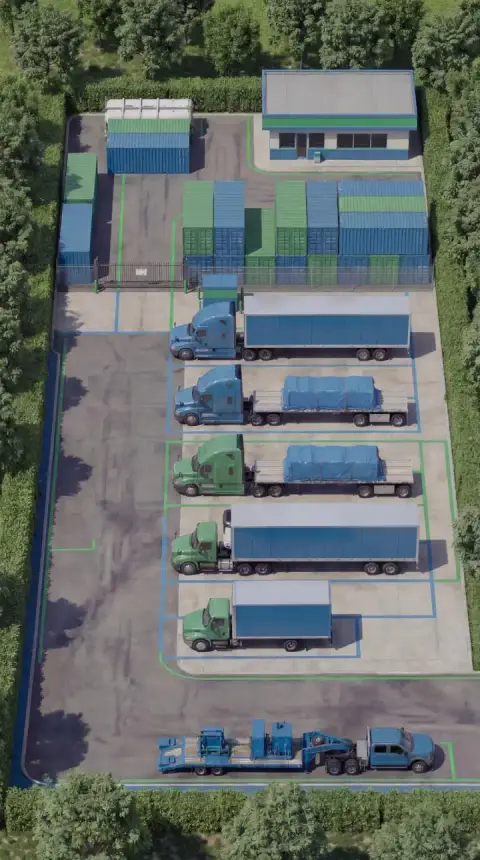
Truck Dispatch Services in Vermont
Vermont connects New England to Montreal with niche freight opportunities in dairy, maple syrup, and craft products. The state offers premium rates for carriers willing to navigate rural mountain roads and cross-border trade.
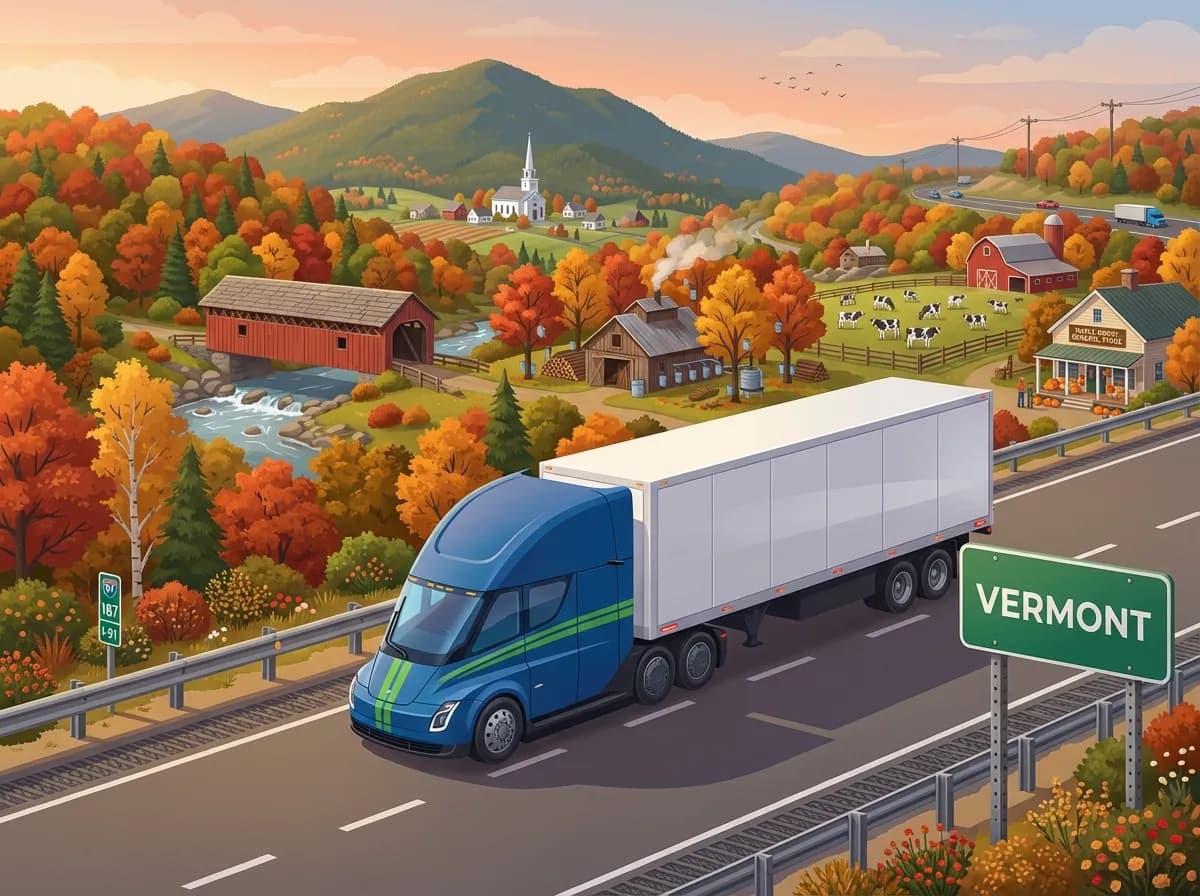
Top Freight Lanes from Vermont
Cross-border corridor via I-89/Autoroute 10 carrying dairy products, manufactured goods, and consumer products. 95 miles with premium international rates.
I-89/I-93 corridor hauling dairy products, craft products, and consumer goods. 215 miles with rates of $3.50-$4.50/mile.
Regional connector via US-4 carrying dairy products, manufactured goods, and consumer products. 90 miles with consistent demand.
Regional corridor carrying dairy products, maple syrup, and consumer goods. 230 miles with balanced freight flow.
I-89/I-91 corridor hauling dairy products, craft products, and consumer goods. 180 miles with steady volume.
Why Vermont Carriers Choose FF Dispatch
We specialize in finding high-paying loads on these routes and more. Our dispatchers know the Vermont freight market inside and out, including vermont weight limits and other state-specific requirements, ensuring you get the best rates and minimal deadhead miles.
Start Earning MoreWe Dispatch All Truck Types in Vermont
Whether you run a dry van, reefer, flatbed, or specialized equipment, our dispatchers have the expertise and connections to find you profitable loads throughout Vermont. See how our truck dispatch services work nationwide, including box truck dispatch services.
Vermont Trucking Facts
Leading maple syrup producer creates unique freight
Strong dairy industry drives reefer demand
Gateway to Montreal freight from New England
What Vermont Truckers Need to Know
Vermont Weight Limits
Vermont weight eligibility depends on the vehicle, axle loading and actual route; rural roads do not share one universal 10-ton limit. Check VT Haul Pass and the DMV’s town highway/bridge restriction records for the trip. A state permit does not override lower posted limits, and travel above a town-road posting requires the applicable separate town authorization.
Vermont Winter Mountain Road Restrictions
On VT-108 through Smugglers’ Notch, vehicles longer than 40 feet alone or 45 feet in combination are prohibited. Seasonal closure dates depend on conditions, not a guaranteed October–May calendar. This is not a blanket winter closure of US-4 over Killington; use VTrans alerts and the truck’s dimensions to select a legal route.
No Highway Tolls
Vermont has zero toll roads. All interstates and highways are free, which is significant given the state's mountain terrain and rural nature.
Vermont freight follows agricultural cycles: dairy production is year-round but peaks spring-summer. Maple syrup season (February-April) creates unique freight demand with premium rates. Fall foliage tourism (September-October) brings supply freight. Winter is coldest — ski resort supply runs provide opportunities but mountain passes close. Summer is strongest for construction and tourism.
Vermont is a reefer carrier's niche paradise — Burlington-to-Boston dairy and craft product loads pay $3.50-$4.50/mile, which is $1.00-$1.50/mile above dry van national average. During maple season (February-April), syrup loads from St. Johnsbury and Montpelier command $4.00-$5.00/mile because shippers need temperature-controlled transport and only a handful of carriers serve this corridor. Cross-border loads to Montreal add another 15-25% premium — a Burlington-Montreal round trip grosses $650-$850 for just 190 miles.
Vermont Freight Market Overview
Dominant Industries
Freight Mix
Frequently Asked Questions — Vermont Trucking
What unique freight comes from Vermont?
Vermont produces 50% of US maple syrup. Maple season (February-April) creates specialized freight demand. The state is also known for craft beer, specialty cheese, and Ben & Jerry's ice cream. These niche products pay premium reefer rates of $3.50-$4.50/mile.
Is cross-border freight to Montreal profitable from Vermont?
Burlington to Montreal is only 95 miles via I-89. Cross-border loads pay 15-25% premiums over domestic rates. Dairy products and manufactured goods move both directions. The short distance with premium rates makes it attractive. FAST is an optional expedited-clearance program for eligible drivers and shipments; CBP lists $50 for five-year driver membership, not an annual fee. Confirm driver entry documents, carrier authority and shipment release with the customs broker. A card alone neither qualifies every load for a FAST lane nor guarantees a wait time.
Are Vermont mountain roads difficult for trucks?
On VT-108 through Smugglers’ Notch, vehicles longer than 40 feet alone or 45 feet in combination are prohibited. Seasonal closure dates depend on conditions, not a guaranteed October–May calendar. This is not a blanket winter closure of US-4 over Killington; use VTrans alerts and the truck’s dimensions to select a legal route.
Is Vermont worth operating in despite challenges?
For specialized carriers (dairy, craft products, cross-border), yes. Rates are premium due to rural nature and limited competition. However, low freight volumes and difficult terrain make it unsuitable for high-volume carriers. Best for niche carriers and LTL operations.
Major Trucking Hubs in Vermont
Burlington
Burlington is Vermont's largest city and a cross-border freight hub just 45 miles from Montreal. The city's food and beverage industry (Ben & Jerry's, Lake Champlain Chocolates, craft breweries) creates steady reefer demand. Canadian trade flows through nearby I-89.
Rutland
Rutland is central Vermont's commercial hub, serving the Green Mountain region's marble quarrying, dairy farming, and ski resort supply chains. Seasonal freight peaks in fall (foliage tourism supplies) and winter (ski resort logistics).
Ready to Start Dispatching in Vermont?
Join hundreds of Vermont carriers earning more with FF Dispatch. No setup fees, no contracts, just results.