


Truck Dispatch Services in West Virginia
West Virginia connects Mid-Atlantic markets through the Appalachian Mountains. The state offers coal and natural gas freight, chemical manufacturing, and strategic I-64, I-77, and I-79 corridor positioning.

Top Freight Lanes from West Virginia
I-77 corridor carrying coal, chemicals, and manufactured goods. 240 miles with rates of $3.00-$3.60/mile through mountain terrain.
I-64 corridor hauling coal, manufactured goods, and consumer products. 140 miles with consistent industrial demand.
Regional connector via I-79 moving coal, natural gas equipment, and manufactured goods. 200 miles with strong energy freight.
I-64/I-77/I-81 corridor carrying coal, manufactured goods, and consumer products. 350 miles with balanced freight flow.
I-64 corridor hauling coal, manufactured goods, and consumer products. 160 miles with quick turnaround.
Why West Virginia Carriers Choose FF Dispatch
We specialize in finding high-paying loads on these routes and more. Our dispatchers know the West Virginia freight market inside and out, including west virginia coal haul roads and other state-specific requirements, ensuring you get the best rates and minimal deadhead miles.
Start Earning MoreWe Dispatch All Truck Types in West Virginia
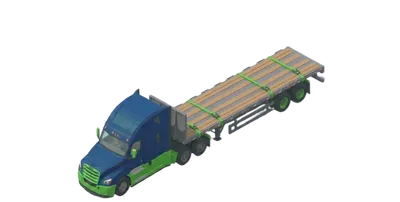
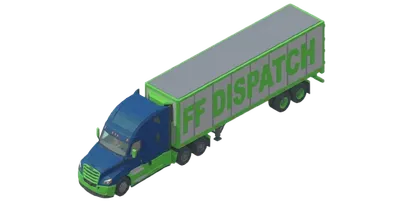
Whether you run a dry van, reefer, flatbed, or specialized equipment, our dispatchers have the expertise and connections to find you profitable loads throughout West Virginia. See how our truck dispatch services work nationwide, including box truck dispatch services.
West Virginia Trucking Facts
Coal mining creates specialized heavy haul freight
Natural gas boom drives energy equipment demand
Chemical manufacturing in Kanawha Valley
What West Virginia Truckers Need to Know
West Virginia Coal Haul Roads
WV has designated coal haul roads allowing up to 126,000 lbs. Coal trucks need special permits ($100-$300 annually). Standard carriers should avoid unmarked coal roads — they're not maintained for regular traffic and violations carry heavy fines.
West Virginia Mountain Grade Requirements
I-77, I-64, and US-19 have steep mountain grades requiring gear-down zones and engine braking. Runaway truck ramps are mandatory stops for brake checks. Fines for bypassing brake check areas are $250+.
No Highway Tolls
West Virginia has zero toll roads despite challenging mountain terrain. This is a significant advantage compared to neighboring Pennsylvania and makes WV economical for freight operations.
West Virginia freight follows energy cycles: coal demand is cyclical based on electricity prices and natural gas competition. Natural gas equipment freight peaks when energy prices are strong. Chemical manufacturing provides year-round baseload. Winter brings mountain challenges but rates increase 15-20%. Summer is strongest for construction and natural gas drilling.
Kanawha Valley chemical plants (Dow, Chemours) ship year-round and pay tanker rates of $3.80-4.50/mile on 150-200 mile runs to Columbus and Charlotte. With zero tolls and fuel $0.10-0.15/gallon below national average, a tanker carrier nets $800-1,100 more per week operating out of Charleston than running the same miles through toll-heavy Pennsylvania.
West Virginia Freight Market Overview
Dominant Industries
Freight Mix
Frequently Asked Questions — West Virginia Trucking
What coal freight opportunities exist in West Virginia?
WV coal production has declined but still generates flatbed and specialized freight. Coal haul trucks allowed up to 126,000 lbs on designated routes. When coal prices are strong, coal freight pays $3.50-$4.50/mile. Activity is cyclical and has decreased significantly from peak years.
How does natural gas affect West Virginia trucking?
WV Marcellus and Utica shale plays create natural gas equipment freight. When gas prices are above $3/MMBtu, drilling activity surges. Flatbed and tanker loads pay $3.50-$4.50/mile. Fracking sand, drilling equipment, and produced water create diverse freight opportunities.
Are West Virginia mountain roads difficult?
Yes — I-77 and I-64 cross steep Appalachian mountains with 6-7% grades. US-19 (Corridor L) is particularly challenging. Engine braking required, runaway truck ramps common. However, no tolls and premium rates (15-20% above flat terrain) compensate for difficulty.
Are there tolls in West Virginia?
No — West Virginia has zero toll roads despite challenging mountain terrain. I-77, I-64, and I-79 are all free. This is a major advantage over Pennsylvania Turnpike and saves carriers thousands annually.
Major Trucking Hubs in West Virginia
Charleston
Charleston is West Virginia's capital, sitting where I-64, I-77, and I-79 converge in the Kanawha Valley. Chemical manufacturing along the Kanawha River drives tanker demand, while coal and natural gas operations create flatbed loads throughout the Appalachian region.
Huntington
Huntington anchors the Tri-State metro where West Virginia, Ohio, and Kentucky meet on the Ohio River. The city's river port handles coal, steel, and chemicals. CSX's intermodal yard creates truck-rail transfer opportunities.
Ready to Start Dispatching in West Virginia?
Join hundreds of West Virginia carriers earning more with FF Dispatch. No setup fees, no contracts, just results.