


Truck Dispatch Services in Montana
Montana connects the Pacific Northwest to the Northern Plains with critical I-90 and I-94 corridors. The state offers agricultural freight, energy equipment, and strategic positioning despite sparse population.

Top Freight Lanes from Montana
Regional connector via I-25/I-90 carrying energy equipment, agricultural products, and consumer goods. 575 miles with growing oil field demand.
I-90 corridor hauling lumber, agricultural products, and consumer goods. 465 miles with consistent demand through mountain passes.
I-94 corridor carrying agricultural products, energy equipment, and consumer goods. 870 miles with balanced freight flow.
Regional connector via I-15 moving agricultural products, energy equipment, and manufactured goods. 520 miles with seasonal peaks.
I-90 corridor hauling lumber, agricultural products, and consumer goods. 200 miles with quick turnaround regional rates.
Why Montana Carriers Choose FF Dispatch
We specialize in finding high-paying loads on these routes and more. Our dispatchers know the Montana freight market inside and out, including montana special heavy haul permits and other state-specific requirements, ensuring you get the best rates and minimal deadhead miles.
Start Earning MoreWe Dispatch All Truck Types in Montana
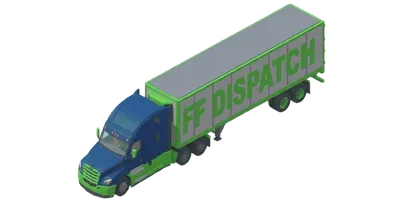
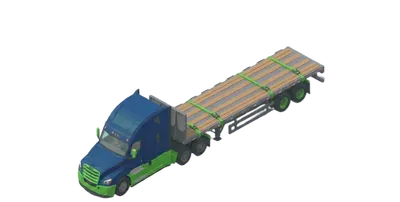
Whether you run a dry van, reefer, flatbed, or specialized equipment, our dispatchers have the expertise and connections to find you profitable loads throughout Montana. See how our truck dispatch services work nationwide, including box truck dispatch services.
Montana Trucking Facts
Bakken oil field creates energy equipment freight demand
Wheat and barley production drives agricultural transport
I-90 is critical East-West mountain corridor
What Montana Truckers Need to Know
Montana Special Heavy Haul Permits
Montana allows trucks up to 137,800 lbs on certain routes — among the highest in the US. Special heavy haul permits cost $25-$200. This benefits energy equipment and agricultural carriers hauling oversized loads.
Montana Winter Chain Requirements
Montana requires chains on I-90 over Lookout Pass and other mountain routes from October through April. Carriers must carry chains even when not actively required. Fines for non-compliance are $150-$300.
No Highway Tolls
Montana has zero toll roads. All interstates and highways are free across the state's 550-mile east-west span. This saves carriers thousands annually.
Montana freight peaks August through October with wheat and barley harvest — agricultural rates spike 20-30%. Oil field activity drives winter demand when Bakken operations ramp up. Summer brings tourism freight and construction materials. Winter pass closures on I-90 create premium rates (25-40% above normal) for carriers who can navigate mountain conditions.
Montana's low carrier density means shippers pay premium rates to get trucks out here — Bakken oil field loads from Sidney to Billings pay $4.00-$4.75/mile for flatbed, $800-$1,200 above national average for the same distance. The trick is chaining a wheat load from Great Falls to Portland ($3.40/mile) with a lumber backhaul from Missoula to avoid the 300+ deadhead miles most carriers eat leaving the state.
Montana Freight Market Overview
Dominant Industries
Freight Mix
Frequently Asked Questions — Montana Trucking
How does the Bakken oil field affect Montana trucking?
Eastern Montana (Williston Basin) is part of the Bakken oil field. When crude prices are above $60/barrel, energy equipment freight surges — flatbed and tanker loads pay $3.50-$4.50/mile. Activity is cyclical based on oil prices.
What agricultural freight comes from Montana?
Montana is a top wheat and barley producer. Harvest season (August-October) creates demand for grain hoppers and flatbed trailers. Rates spike 20-30% during harvest. Montana also raises cattle — livestock hauling provides year-round opportunities.
How do mountain passes affect Montana trucking?
I-90 crosses the Continental Divide with steep grades and winter closures. Lookout Pass (MT/ID border) closes regularly in winter. Carriers must carry chains October-April. Pass closures create premium rates (25-40%) for available carriers. Monitor Montana 511 for conditions.
Does Montana allow heavier truck weights?
Yes — Montana allows up to 137,800 lbs on designated routes, among the highest limits in the US. This is primarily for logging, agricultural, and energy equipment. Permits required ($25-$200). Standard routes remain 80,000 lbs.
Major Trucking Hubs in Montana
Billings
Billings is Montana's largest city and the economic hub of the Northern Plains. Four petroleum refineries create tanker demand, while agriculture (wheat, cattle) and energy sector equipment generate flatbed loads. Long-haul lanes pay well due to sparse population between destinations.
Missoula
Missoula sits in western Montana at the junction of I-90 and US-93, serving as a distribution hub for the Northern Rockies. Timber and forest products are the dominant freight category, with seasonal construction materials surging May through October.
Ready to Start Dispatching in Montana?
Join hundreds of Montana carriers earning more with FF Dispatch. No setup fees, no contracts, just results.